In the world of kitchen design, the choice between granite and quartz worktops is a pivotal decision. Both materials offer unique benefits and drawbacks, making it essential for homeowners to carefully weigh the factors that matter most to them. From cost considerations to durability and maintenance, the decision between granite and quartz worktops requires careful consideration.
In this comprehensive guide, we will delve into the key aspects of both granite and quartz worktops, including their respective pros and cons, cost comparisons, durability factors, and practical tips for making the right choice. By the end of this article, you will have a clear understanding of which material aligns best with your needs and budget, empowering you to make an informed decision for your kitchen renovation or construction project.
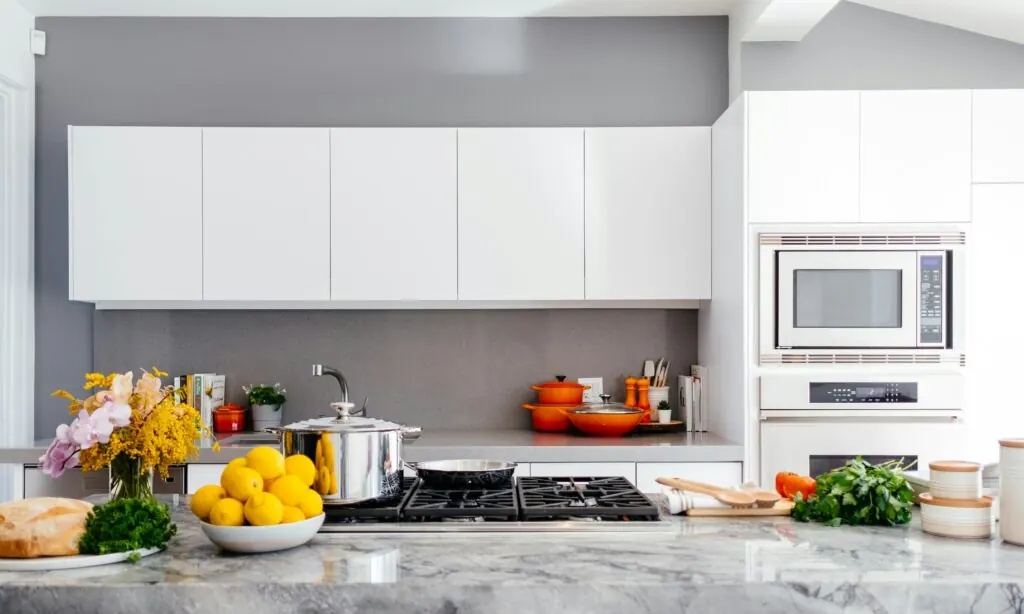
What Are Granite Worktops?
Granite worktops are a popular choice for kitchen worktops, known for their durable and natural stone surface.
Their unique appeal lies in the fact that each slab of granite has its own distinct and exquisite patterns, bringing a touch of natural elegance to any kitchen. The installation process involves precise measurements and cutting to ensure a perfect fit, highlighting the stunning variations in colour and veining patterns.
From classic shades of black and white to intricate blends of browns, reds and blues, granite worktops offer a wide array of options to complement different kitchen styles. Their durability and resistance to heat and scratches make maintenance relatively easy, adding to their overall appeal.
What are the advantages and disadvantages of granite worktops?
Granite worktops offer exceptional durability and a timeless aesthetic, but they may require periodic maintenance and sealing to preserve their appearance and performance.
Their durability makes them resistant to scratches, heat, and stains, ensuring they can withstand the demands of a busy kitchen. The natural variation in the stone adds a unique and luxurious appeal to any space.
On the downside, granite worktops need to be properly sealed to prevent absorption of liquids that can lead to staining. They require regular maintenance, such as resealing every few years, to keep them looking their best.
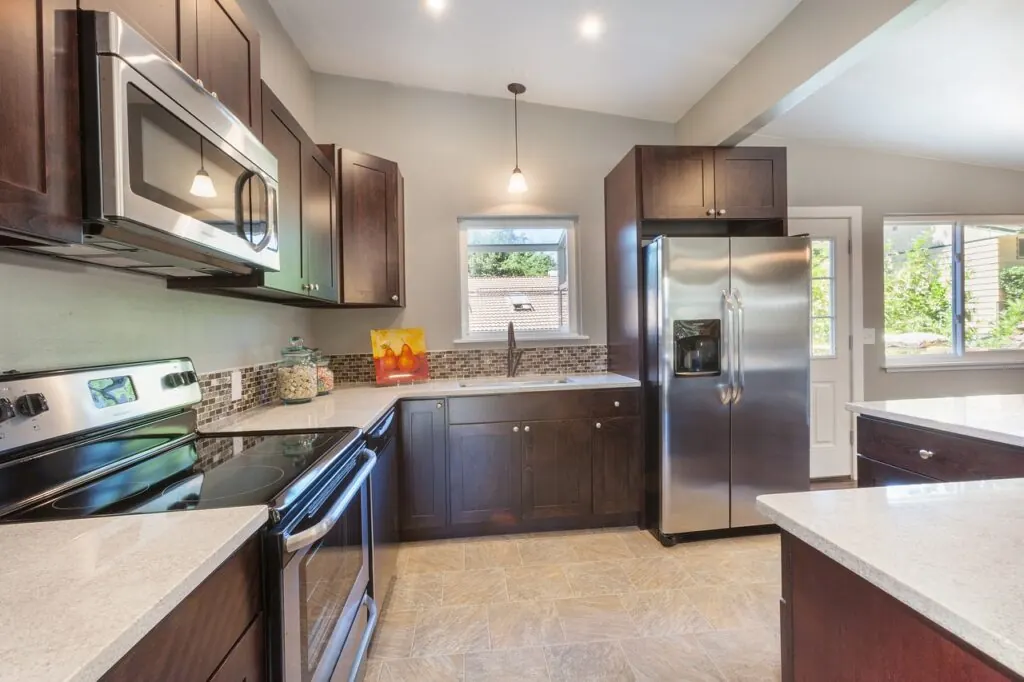
Quartz worktops are a type of kitchen surface made from a combination of natural quartz and resin. They are known for their durability, low maintenance, and wide range of colours and patterns.
Quartz worktops are engineered stone surfaces ideal for kitchen worktops, offering a blend of natural quartz and polymer resins for enhanced durability and aesthetic versatility. These worktops come in a wide array of colours and patterns, enabling homeowners to find the perfect match for their kitchen design.
Due to their engineered composition, quartz worktops are non-porous, making them resistant to stains and bacteria, and requiring minimal maintenance. The durability of quartz worktops ensures that they can withstand the demands of a busy kitchen while maintaining their lustrous appearance. With their combination of aesthetics and practicality, quartz worktops have become a sought-after choice for modern kitchen designs.
What are the advantages and disadvantages of quartz worktops?
Quartz worktops boast remarkable durability, low maintenance, and a diverse range of aesthetic options, but they may be priced higher than other countertop materials.
Their durability and resistance to scratches, stains, and heat make them an excellent long-term investment for any kitchen. Quartz worktops offer a wide variety of colours and patterns, allowing homeowners to find the perfect match for their kitchen design.
The upfront cost of quartz worktops can be higher than other materials, which may be a drawback for budget-conscious individuals. It's essential to weigh the benefits against the potential cost considerations to decide if quartz worktops are the right choice for your kitchen.
Which Is Cheaper: Granite or Quartz Worktops?
The cost comparison between granite and quartz worktops depends on various factors, including material quality, installation requirements, and individual project scope.
Granite worktops often have a wider price range due to variations in quality and availability, making them more suitable for budget-conscious consumers who seek a natural stone aesthetic. In contrast, quartz worktops offer a consistent price point, generally reflecting their durable and low-maintenance properties.
When considering cost implications, it's essential to factor in long-term expenses, such as maintenance and repair, to make an informed decision aligned with your budget and preferences.
Factors That Affect the Cost of Granite and Quartz Worktops
Several factors influence the overall cost of granite and quartz worktops, including:
- Material quality, which plays a significant role as higher-grade granite and quartz typically command a higher price due to their durability and aesthetic appeal.
- Installation complexity, such as custom designs or challenging layouts, which can also impact costs.
- Long-term maintenance requirements, such as sealing and cleaning, which influence the overall cost of these worktops.
Understanding these factors is crucial when considering the investment in granite and quartz worktops for a kitchen or bathroom remodel.
Comparing the Cost of Granite and Quartz Worktops
A comprehensive cost comparison of granite and quartz worktops involves evaluating material expenses, installation costs, and long-term maintenance requirements to determine the most cost-effective option for specific kitchen projects.
Granite worktops are typically more expensive than quartz due to the scarcity and labour-intensive extraction process of the stone. Quartz worktops can have higher installation costs as they are heavier and may require additional support.
When considering long-term maintenance, quartz is generally more resistant to stains and scratches but may require occasional resealing, while granite is more susceptible to damage but requires less maintenance overall. Thus, the total cost of ownership for each material must be carefully considered when making a decision.
Cost of Materials
The cost of materials for granite and quartz worktops varies based on the quality of the stone, rarity of patterns, and market pricing trends, influencing the overall budget for countertop installation projects.
For granite worktops, the pricing can range from moderately affordable options to high-end slabs, depending on factors like origin, colour variations, and veining patterns.
On the other hand, quartz worktops offer a wider range of colour choices and are generally more consistent in pattern and price.
Market trends, availability of certain stone types, and demand-supply dynamics play a crucial role in determining the cost of materials for both granite and quartz worktops.
Cost of Installation
The installation cost for granite and quartz worktops encompasses expenses related to labour, specialised equipment, and the intricacy of fitting the countertops within the kitchen space, impacting the overall project budget.
These costs can vary based on the size and layout of the kitchen, as larger areas may require more material and labour. The complexity of the installation, such as custom cuts and intricate designs, can impact the overall expenses.
Labour expenses also play a significant role, as the skills and expertise required for precision cutting and fitting contribute to the total installation cost. The project complexity, labour expenses, and specialised equipment needed are crucial factors to consider when determining the cost of granite and quartz worktop installation.
Cost of Maintenance
The long-term maintenance cost for granite and quartz worktops revolves around durability assessments, periodic sealing requirements, and suitable cleaning products, influencing the overall upkeep expenses for homeowners.
Granite worktops, known for their natural beauty, require periodic resealing to maintain their resistance against stains and scratches, whereas quartz worktops are virtually maintenance-free due to their non-porous nature, needing only regular cleaning with mild soap and water.
Considering these factors, quartz worktops may initially cost more but can prove to be cost-effective in the long run with lower maintenance expenses compared to granite.
Which Is More Durable: Granite or Quartz Worktops?
The durability comparison between granite and quartz worktops centres on their resistance to scratches, heat and staining, determining their suitability for diverse kitchen environments.
Granite worktops are renowned for their exceptional scratch resistance, standing strong against regular wear and tear. Their natural composition ensures a high level of heat resistance, making them ideal for withstanding hot pots and pans. Granite is highly resistant to stains when properly sealed, ensuring a long-lasting and pristine appearance.
On the other hand, quartz worktops offer comparable durability, with a non-porous surface that is highly resistant to scratches and stains, and capable of withstanding high temperatures without damage, making them an excellent choice for busy kitchens.
Factors That Affect the Durability of Granite and Quartz Worktops
Multiple factors influence the durability of granite and quartz worktops, including maintenance practices, material composition, and exposure to potential impact and heat sources in the kitchen environment.
Regular sealing and cleaning are essential maintenance practices for granite and quartz worktops, preventing stains and maintaining their lustre. In terms of material composition, granite is a natural stone, known for its strength and heat resistance, while quartz is engineered with resins for additional durability. Environmental factors such as direct sunlight and high humidity can also impact these worktops, leading to discolouration or surface damage.
Understanding these factors is crucial for ensuring the long-term durability of these popular kitchen surfaces.
How to Choose Between Granite and Quartz Worktops?
Selecting between granite and quartz worktops involves a careful consideration of budget constraints, lifestyle preferences, and individual functional needs, often benefiting from professional guidance for informed decision-making.
When assessing budget constraints, it's essential to weigh the initial investment and long-term value. Quartz may have a higher upfront cost, but it's durable and requires minimal maintenance, potentially balancing out the expense over time.
For those with a preference for a sleek, uniform appearance, quartz's colour consistency may be appealing. On the other hand, granite offers unique veining and patterns, catering to individuals seeking a natural, one-of-a-kind look.
Understanding your lifestyle and functional requirements allows for a tailored selection that complements your daily activities and aesthetic preferences.
Please consider your budget
When evaluating worktop options, it's essential to consider the budgetary implications of granite and quartz, comparing their cost, longevity, and maintenance requirements to align with financial constraints and long-term value.
Both granite and quartz offer distinct cost considerations. Whilst granite can be initially more costly to install, its durability and longevity often make it a cost-effective long-term investment.
On the other hand, quartz, although typically less expensive upfront, may require more maintenance, potentially impacting its overall cost over time. Assessing these factors against your budget and projected usage is crucial in making an informed decision for your worktop investment.
Consider Your Lifestyle and Needs
Understanding your lifestyle and specific needs is crucial in the selection process, as it influences the prioritisation of durability, aesthetic appeal, and material characteristics when comparing granite and quartz worktops.
Consider how your kitchen or workspace will be used on a daily basis; for instance, granite worktops are renowned for their natural beauty and durability, making them an excellent choice for busy households.
On the other hand, if you value low maintenance and a wider variety of colour options, quartz worktops might be the more practical option. Material characteristics such as stain and heat resistance also play a significant role in determining which option aligns better with your requirements.
Seek advice from a qualified expert
Seeking professional guidance and consultation can provide valuable insights into the suitability of granite and quartz work surfaces for your specific kitchen requirements, aiding in an informed and well-supported decision-making process.
Experts in the field can offer practical advice on the durability, maintenance, and aesthetic appeal of granite and quartz work surfaces, helping homeowners make a choice that aligns with their lifestyle and design preferences.
Professional installers can ensure precise measurements and seamless installation, optimising the functionality and visual appeal of the work surfaces. By leveraging the expertise of professionals, individuals can avoid common pitfalls and make confident decisions that enhance the overall value and functionality of their kitchen spaces.