
Is quartz cheaper than granite
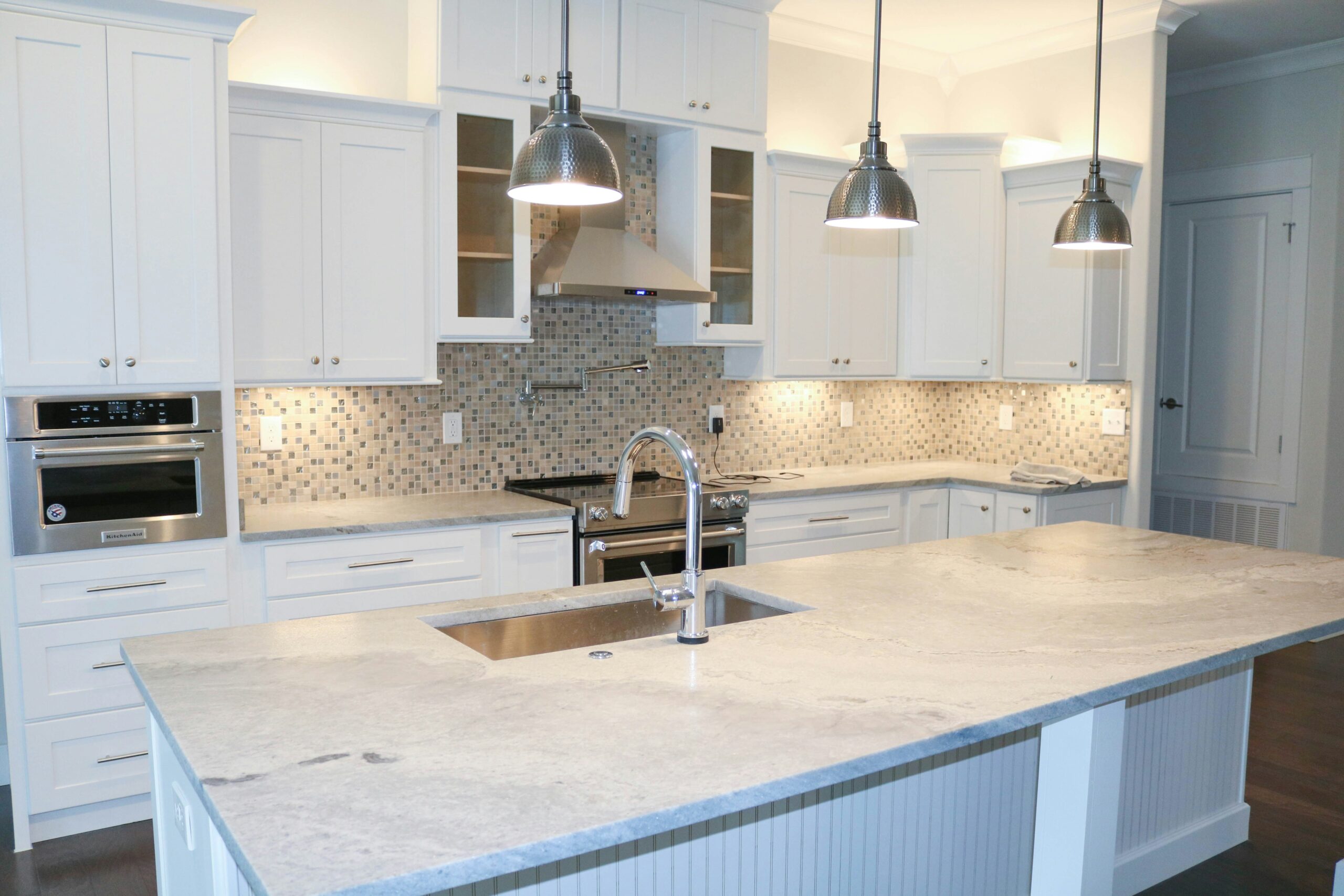
This article compares the cost of quartz versus granite by examining the factors that influence their price ranges. It offers insights into the cost disparities between quartz and granite, detailing their respective cost determinants.
Additionally, the article delves into the durability of both materials, covering aspects such as lifespan and maintenance expenses. By the conclusion, readers will gain a comprehensive understanding of which material aligns better with their budget for a countertop upgrade.

Comparing the Cost of Quartz and Granite
When undertaking a kitchen renovation, one of the most crucial comparisons to consider is between quartz and granite worktops. Their varying prices, durabilities, and aesthetics make it essential to weigh the similarities and differences between the two worktop materials when making a choice.
Factors that Affect Price
Differences in pricing between quartz and granite worktops are influenced by factors such as material quality, installation costs, maintenance requirements, surface finish options, and demand from homeowners.
Installation costs play a significant role in the overall price discrepancies between quartz and granite worktops. Quartz is often easier to install due to its uniformity, although its heavier weight may pose some challenges. In comparison, granite requires more expertise and time for installation, leading to higher installation expenses.
Variances in maintenance needs further contribute to the pricing differences, with quartz generally requiring less sealing than granite. The choice of surface finish, whether polished or honed, can also affect pricing as different finishes may require additional steps, influencing the final cost.
Additionally, colour choices play a role in pricing variations, with exotic or rare colours often commanding a premium over more common options.
Cost of Quartz
The cost of quartz countertops depends on factors such as strength, ease of installation, special maintenance requirements, and the demand for specific types of popular quartz in the home improvement industry. Homeowners are drawn to quartz for its aesthetics, wide range of color options, and the ability to produce various patterns with it.
Price Range and What Affects It
The price range of quartz worktops can vary widely and is influenced by factors such as the selected material, worktop size, complexity of installation, and ongoing maintenance requirements.
Material quality, surface design, durability, and affordability are the key factors that determine the price of quartz worktops. High-grade quartz, known for its durability and aesthetic appeal, typically commands a higher price due to its superior quality.
Custom designs or uncommon shapes may increase the final cost due to the complexity of installation, requiring specialised skills and tools. Quartz worktops utilising advanced sealing technologies may incur higher maintenance costs initially but can save money in the long term by reducing maintenance needs.
The design and finish of the surface, including intricate patterns or exclusive colours, often result in higher pricing.
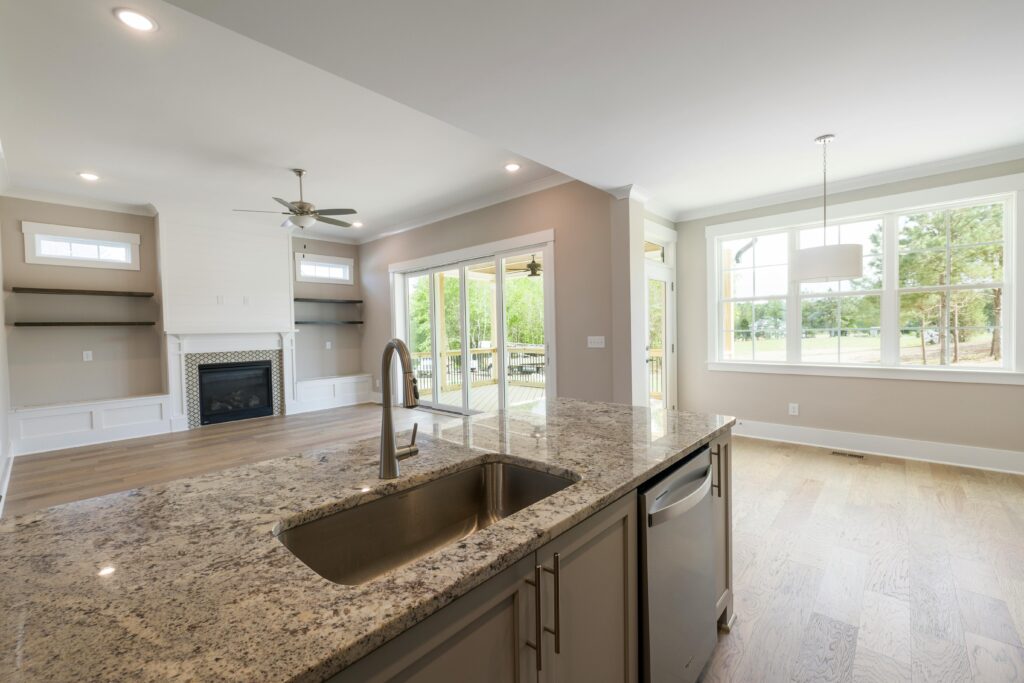
Cost of Granite
The unique cost profile of granite worktops is influenced by factors such as their durability, installation intricacy, and maintenance requirements. These considerations are further shaped by the popularity and distinctive properties of specific granite types, which include aesthetic beauty, a wide range of colours, and unique patterns. As a result, granite is often considered one of the more expensive options in the realm of kitchen remodelling.
Price Range and What Affects It
The price range of granite worktops can vary from low to high based on factors such as material quality, complexity of design, installation costs, and maintenance requirements. Elements like surface finish, durability, and affordable options all influence the overall cost of granite worktops. Homeowners often opt for granite solutions that offer both aesthetic appeal and durability to withstand daily use. Considering durability is crucial for resistance against stains, scratches, and heat. Having access to cost-effective options benefits those seeking quality materials for kitchen renovations at a reasonable price point.
Different Factors Affecting the Cost of Granite Worktops:
- Surface Finish: Homeowners often prefer granite worktops with durable surface finishes that enhance aesthetics and longevity against wear and tear.
- Cost of Installation: The installation price of granite worktops is influenced by any necessary modifications to accommodate the worktops, including plumbing and electrical adjustments.
- Complexity of Worktop Design: Intricate designs can raise the cost of granite worktops due to increased materials and labour requirements.
- Quality of Granite Material: The quality of the granite directly impacts the overall cost of worktops.
- Availability of Affordable Options: Access to cost-effective granite choices simplifies finding high-quality materials at a lower price.
- Maintenance Requirements: Ongoing maintenance, such as resealing, can significantly impact the overall cost of granite worktops.
Granite worktop prices can range from $50 to $250 per square foot for material costs only. Here is a breakdown based on price ranges:
- Ultra-budget: $50-$100 per square foot for thin granite tiles.
- Budget: $100-$175 per square foot for lower-rated granite slabs with basic finishes.
- Regular: $175-$215 per square foot for average-rated granite slabs with simple finishes.
- Premium: $215-$250 per square foot for higher-rated granite slabs with complex finishes.
Comparing the Durability of Quartz and Granite
When comparing the durability of quartz versus granite worktops, factors such as heat resistance, scratch resistance, stain resistance, and overall maintenance requirements are considered. Both quartz and granite provide highly durable and low-maintenance options, each with distinct strengths and weaknesses that cater to diverse design and lifestyle preferences.
Longevity and Maintenance Costs
When homeowners embark on kitchen renovation projects, they often consider the longevity and maintenance costs of quartz and granite worktops as key factors. Comparing the heat resistance, scratch resistance, stain resistance, design flexibility, and overall durability of modern quartz options with traditional granite options helps individuals make informed decisions.
Quartz worktops are known for their excellent durability and high resistance to heat, scratches, and stains, making them ideal for contemporary kitchens. On the other hand, granite worktops offer a timeless, classic appearance with a wide range of natural variations that add unique beauty to any space. Quartz provides a vast array of colours to complement modern design preferences, while granite boasts a distinctive blend of elegance and strength that aligns well with traditional decor styles.
Factors to Consider When Choosing Between Quartz and Granite
The choice between quartz and granite is determined by various factors that influence purchasing decisions, such as budget constraints, personal preferences, stone durability, aesthetics, and the ability to enhance the overall look of a room. The pros and cons of quartz or granite play a vital role in assessing the real estate or business value they can provide, considering both immediate project costs and long-term property value.
Budget and Personal Preferences
The choice between quartz and granite worktops depends on budget constraints and personal preferences. Evaluating factors such as durability, aesthetics, and overall design approach can lead to a cost-effective decision that enhances both the renovation project and the intrinsic value of the property.
Budget: Budget considerations play a significant role, with quartz typically offering a lower initial cost compared to granite. However, quartz provides excellent long-term value due to its durability and minimal maintenance requirements. On the other hand, granite’s natural beauty and unique patterns may come with a higher upfront investment but can significantly elevate the property’s value.
Style: Homeowners often need to strike a balance between their design preferences and the practicality of a durable and functional worktop that complements the overall renovation plans.
Frequently Asked Questions
Is quartz cheaper than granite?
It depends on the specific type and brand of quartz and granite. Generally, quartz is less expensive than granite, but there are exceptions.
What factors influence the price of quartz and granite?
The cost of quartz and granite can vary based on factors such as the source, quality, pattern, and thickness of the stone, as well as installation fees.
Are there any advantages to choosing quartz over granite based on price?
Quartz is generally more predictable in price, making it easier to stick to a budget for kitchen or bathroom renovations. It also tends to have less variation in price between different colors and patterns compared to granite.
Are there any disadvantages to choosing quartz over granite based on price?
Some people may find that granite has a more luxurious and high-end appearance compared to quartz, which may make it worth the extra cost. Additionally, quartz may not have as high of a resale value as granite, which could be a disadvantage for homeowners looking to sell in the future.
How can I find the best deals on quartz and granite?
Comparing prices from different suppliers and shopping during sales or promotions can help you find the best deals on quartz and granite. It’s also important to consider the overall quality and reputation of the supplier before making a purchase.
Can I negotiate the price of quartz and granite?
Yes, you may be able to negotiate the price of quartz and granite with certain suppliers or contractors. It’s always worth asking if there is any room for negotiation or if they offer any discounts for bulk purchases.