When it comes to choosing the perfect material for your countertops, the decision often boils down to granite or quartz. Both are immensely popular for their durability, aesthetic appeal, and functionality, but each comes with its own unique set of characteristics.
In this comprehensive article, we will delve into the key differences between granite and quartz, comparing their appearance, durability, maintenance requirements, cost, and environmental impact. We will also explore the suitability of each material for kitchen countertops, bathroom countertops, and other uses.
By the end of this article, you will have a clear understanding of which material may be better suited for your specific needs. Whether you are considering a kitchen remodel or exploring countertop options for a new construction project, this article will equip you with the knowledge to make an informed decision.
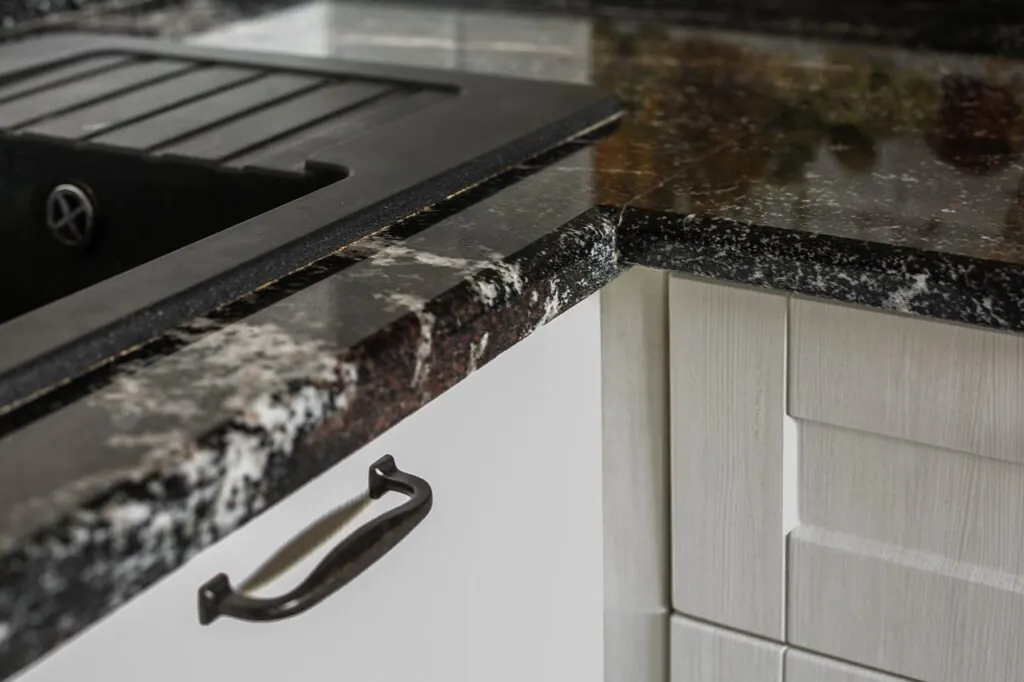
What is granite?
Granite, a natural stone, is a popular material known for its durability and is commonly used for kitchen worktops.
It is formed deep within the earth's crust through the cooling and solidification of molten rock. This natural process gives granite its unique patterns and variations, making each slab distinct. Due to its hardness and resistance to heat and scratching, it is highly sought after for kitchen applications. Its natural beauty and wide range of colours also make it a perfect choice for adding elegance and functionality to kitchen spaces.
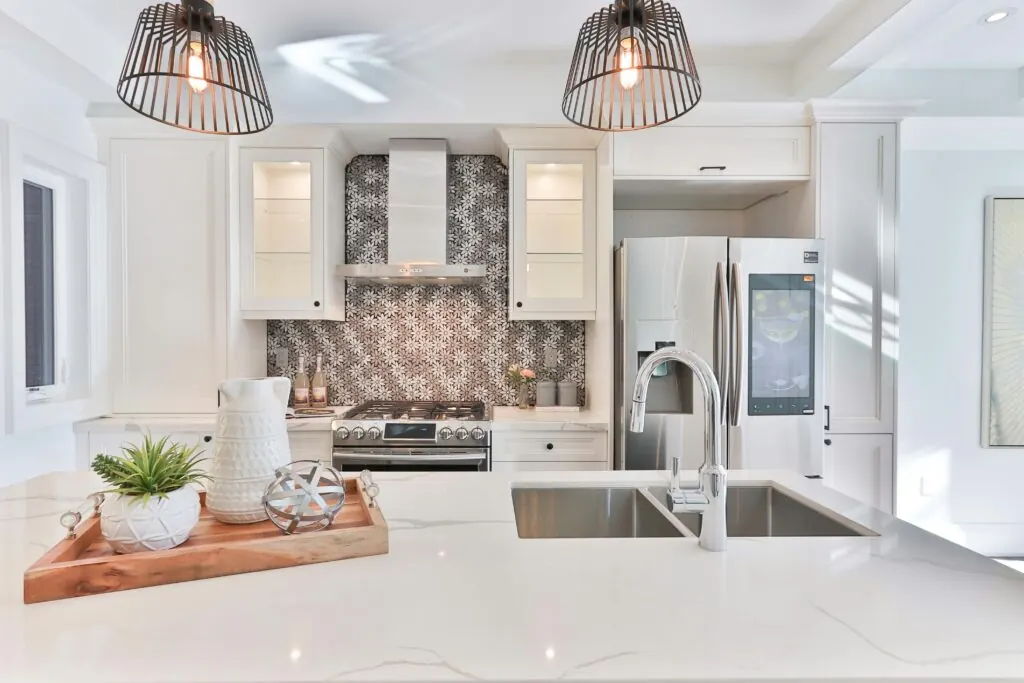
Quartz is a mineral composed of silicon dioxide.
Quartz, an engineered stone, is a versatile material designed for low maintenance and is frequently utilised for kitchen worktops.
It is composed of approximately 90-95% natural quartz crystals combined with resin and pigments. This engineered nature gives quartz its exceptional durability and resistance to stains, scratches and heat. These qualities make it an ideal choice for kitchen installations, where it can withstand the rigours of daily use and provide a beautiful, long-lasting surface.
Its non-porous nature also makes it hygienic and easy to clean, creating a perfect balance of practicality and aesthetic appeal for kitchen worktops.
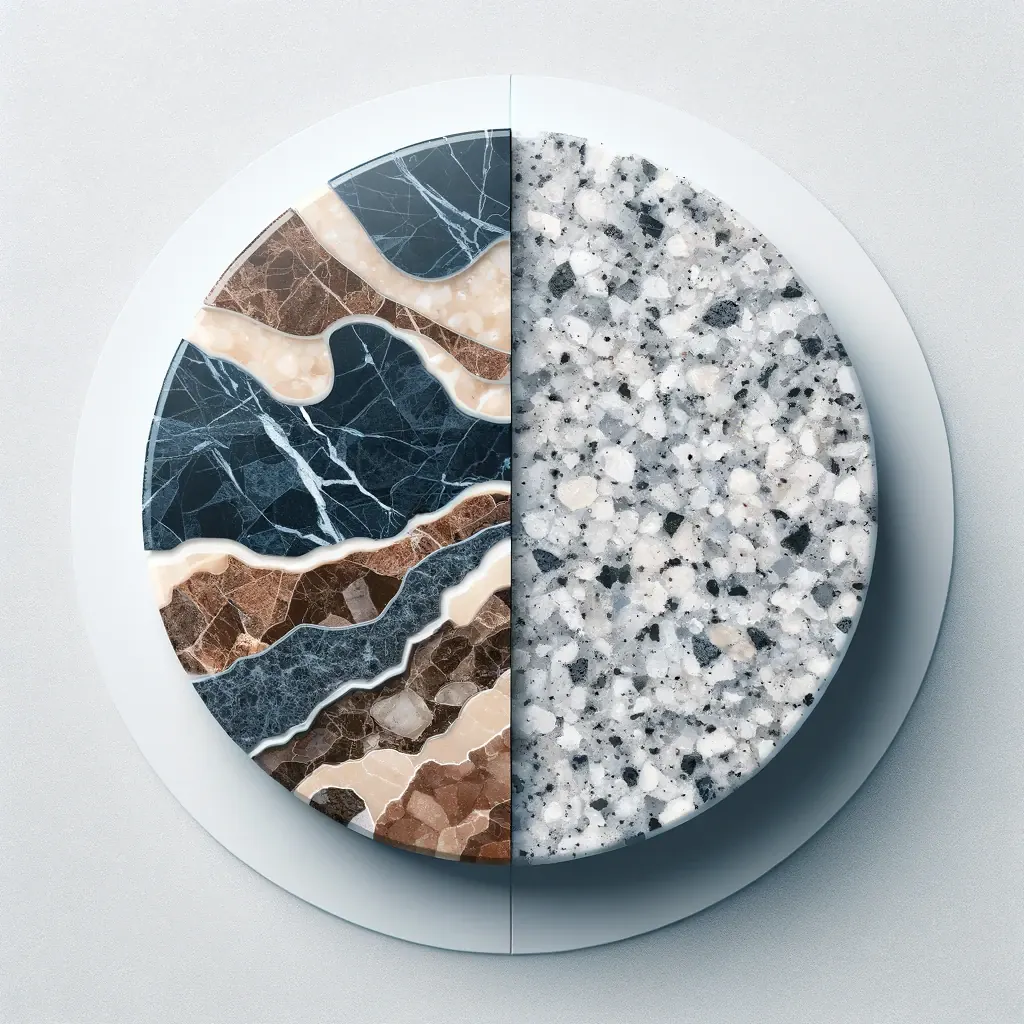
Comparison of Granite and Quartz
When comparing granite and quartz for kitchen worktops, it's essential to understand their differences in terms of:
- Appearance
- Durability
- Maintenance
- Cost
Appearance
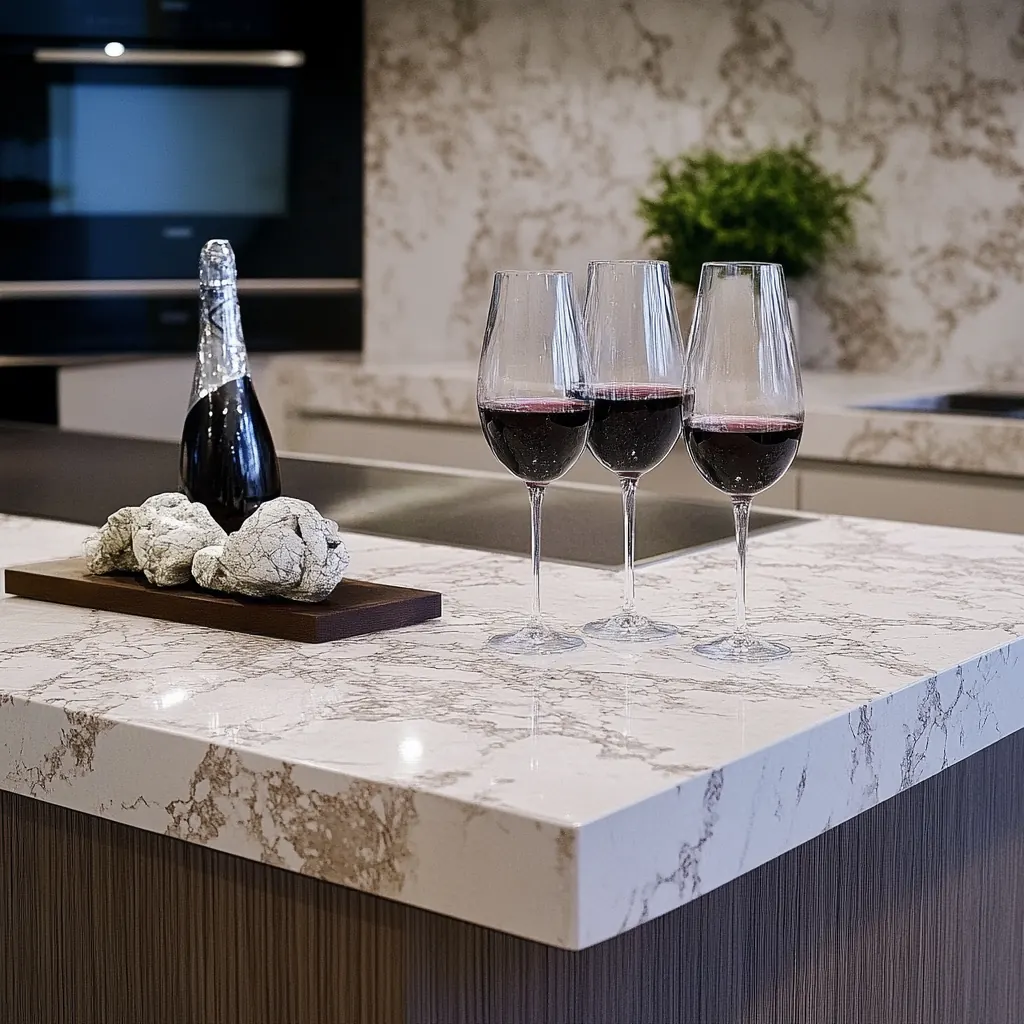
Granite and quartz offer diverse appearance options, with a range of colours, patterns, and design possibilities to suit various aesthetic preferences.
They both come in an array of colours, from soothing neutrals to bold and dramatic tones, allowing homeowners to find the perfect match for their space. The natural variations in patterns and veining create unique and stunning visuals in each slab. This variability in appearance gives designers and homeowners flexibility to choose countertops and surfaces that perfectly complement their overall interior design scheme.
Durability
In terms of durability, both granite and quartz exhibit impressive strength, scratch resistance, and heat resistance, making them suitable for high-traffic areas like kitchens. Their remarkable ability to withstand heavy use without showing signs of wear or damage is a testament to their resilience.
Granite, known for its natural hardness and density, is highly resistant to scratches and chips, while quartz, a man-made engineered stone, offers uniformity in strength and is virtually impervious to heat.
These characteristics make both materials an ideal choice for homeowners seeking long-lasting and low-maintenance surfaces for their interior spaces.
Maintenance
When it comes to maintenance, both granite and quartz offer relatively low-maintenance requirements, with easy cleaning and surface care due to their non-porous finishes.
Their non-porous nature makes them resistant to stains and bacterial growth, requiring simple daily cleaning with mild soap and water or a pH-balanced cleaner. For specialised deep cleaning, a granite or quartz cleaner can be used to maintain their surface lustre and integrity.
Sealing may be recommended for granite to protect against potential stains, whereas quartz generally does not require sealing due to its engineered composition. Both granite and quartz provide durable and long-lasting surfaces with minimal upkeep.
Cost
In terms of cost, the investment in granite and quartz worktops varies, influenced by factors such as supplier, manufacturer, and the overall value it brings to the property.
Granite worktops may involve a higher initial investment compared to quartz, but they often bring long-term value through their durability and timeless aesthetic appeal. Factors like the source of the granite and the manufacturing processes can influence the price significantly.
On the other hand, quartz worktops, being engineered stone, offer a wide range of design options and are generally more consistent in price due to standardised manufacturing. The installation costs and the availability of suppliers in the local market also play a crucial role in determining the overall investment.
Environmental Impact
Assessing the environmental impact of granite and quartz involves considering their sustainability and eco-friendly aspects, influencing the decision-making process for eco-conscious homeowners.
These natural stone materials offer a durable and long-lasting option, reducing the need for frequent replacements and minimising waste. Both granite and quartz require minimal maintenance, reducing the use of harsh chemicals that can harm the environment. Their longevity also contributes to reducing the overall environmental footprint, making them an attractive choice for those seeking environmentally responsible options.
The availability of recycled and locally sourced granite and quartz further enhances their eco-friendly profile, showcasing their commitment to sustainable practices.
Which one is better?
Deciding which material is better between granite and quartz depends on weighing up their advantages and disadvantages, taking into account factors such as:
- durability
- aesthetic appeal
For Kitchen Countertops
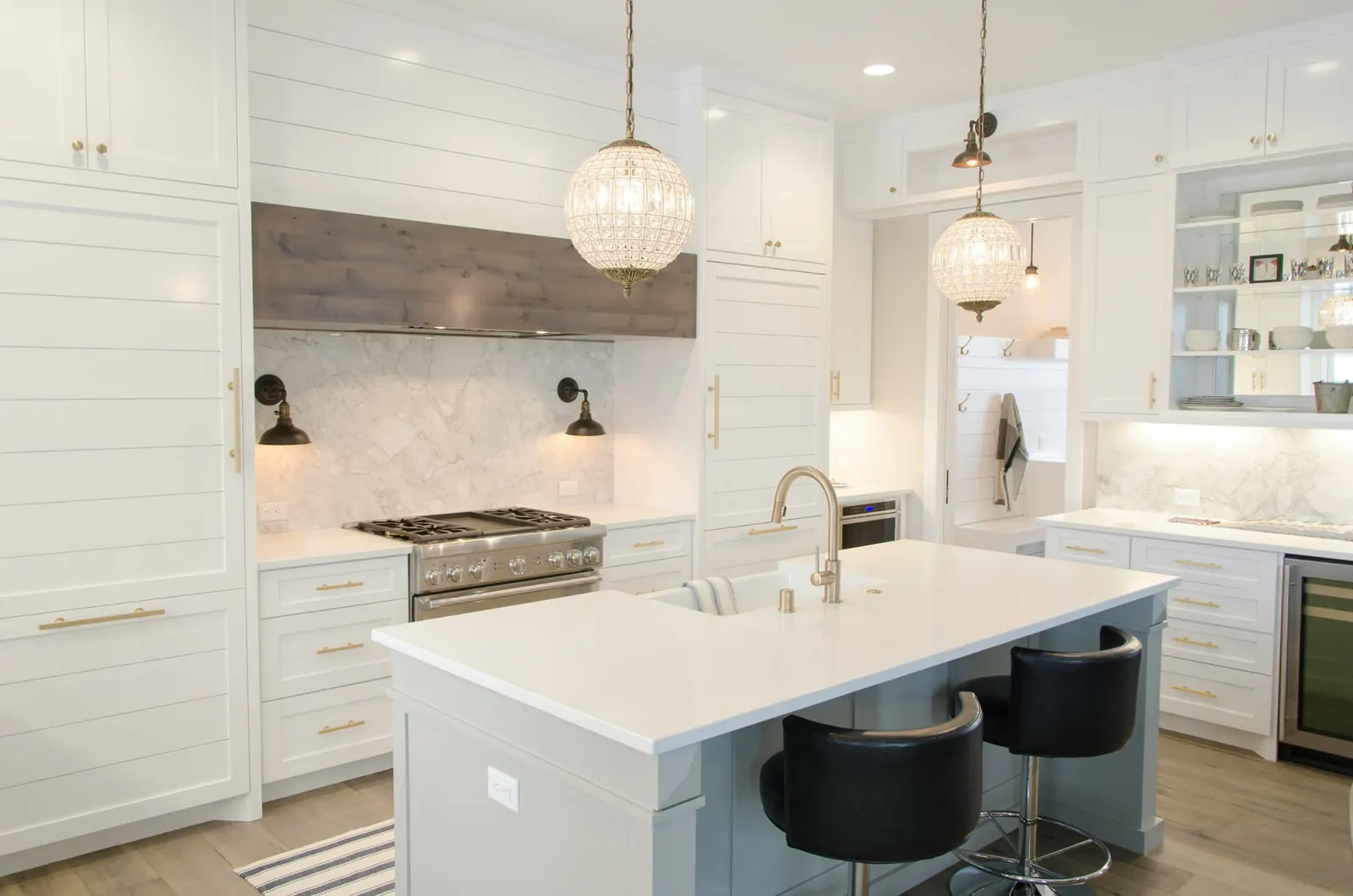
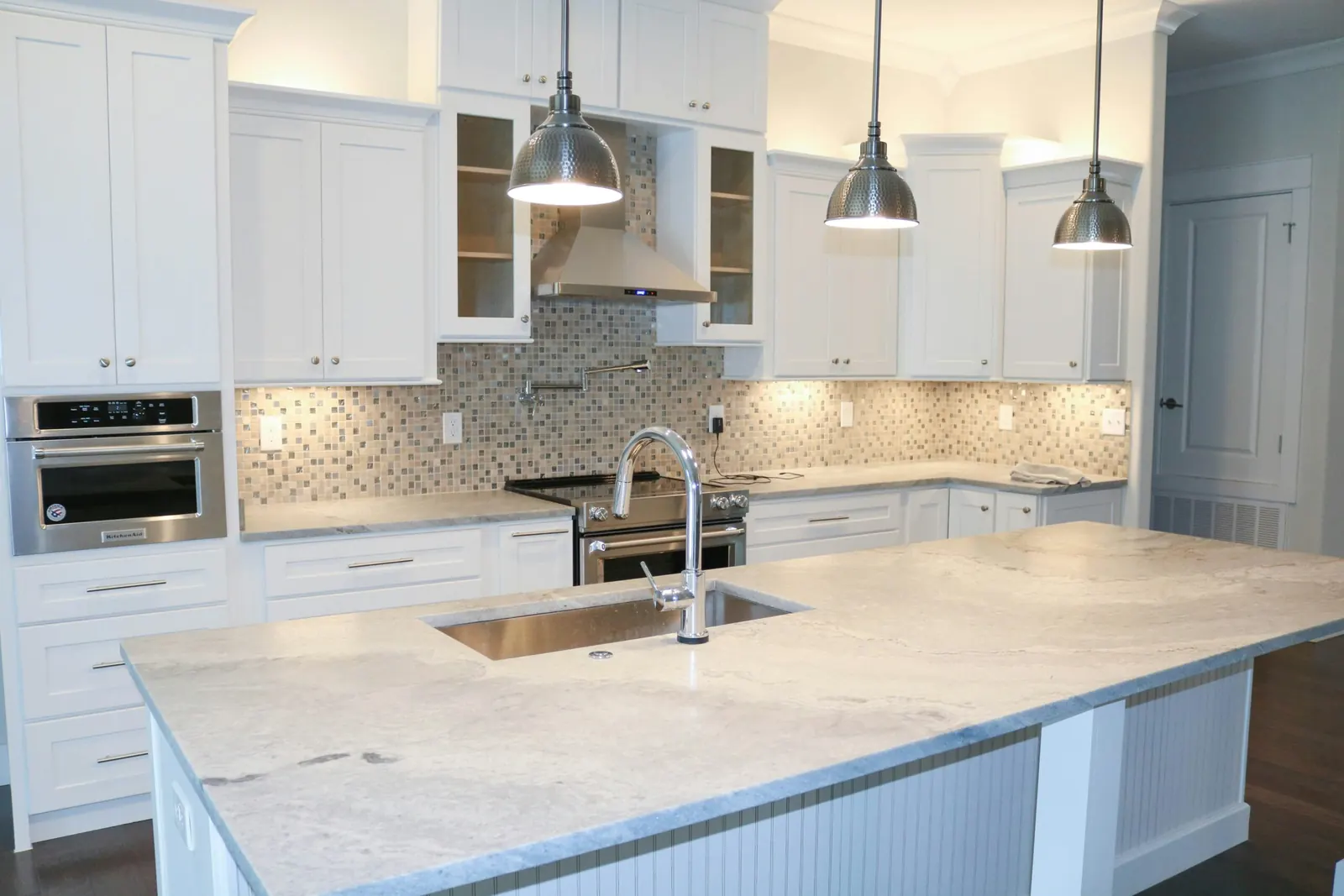
For kitchen worktops, both granite and quartz offer distinct advantages, catering to different remodelling needs and providing options for adding elegance to the kitchen space.
Granite brings an earthy, natural look with its unique veining and speckled patterns, making each slab one-of-a-kind. It's well-suited for traditional and rustic kitchen designs.
On the other hand, quartz offers a wide range of colours and patterns, including options that mimic the look of marble or granite. Its non-porous surface is highly resistant to staining, making it ideal for busy kitchens and those who prioritise practicality without sacrificing aesthetics.
For Bathroom Countertops
In the context of bathroom countertops, both granite and quartz can complement modern and traditional design themes, offering versatile options for enhancing bathroom spaces.
Their diverse colour palettes and unique patterns allow for seamless integration with a range of design elements, whilst their durability and resistance to moisture make them ideal for the high-traffic environment of a bathroom.
Whether it's the clean lines of a contemporary bathroom or the intricate details of a more traditional space, granite and quartz offer the flexibility to cater to various design preferences, making them popular choices in modern bathroom remodelling projects.
For Other Uses
Beyond worktops, granite and quartz are versatile materials that find applications in various other home improvement projects, showcasing their adaptability and impact in different areas of the home.
From flooring and wall cladding to fireplace surrounds and bathroom vanities, these materials offer durability and aesthetic appeal. In addition, they are frequently used for splashbacks, outdoor kitchen surfaces, and even as accent pieces in decorative elements. Their versatility extends to outdoor applications as well, with granite and quartz being used for outdoor kitchens, pathways, and pool areas. The adaptability of these materials makes them an ideal choice for a wide range of construction projects, from residential renovations to commercial developments.
Frequently Asked Questions
What is better granite or quartz?
n
This is a common question when it comes to choosing countertops for your kitchen or bathroom. Both granite and quartz are popular choices, but which one is better? Below are answers to this frequently asked question.
nn
Is granite or quartz more durable?
n
Both granite and quartz are known for their durability. However, quartz is slightly harder than granite and less prone to scratches and chips. So, in terms of durability, quartz may be the better choice.
nn
What about maintenance?
n
In terms of maintenance, quartz is the winner. It is non-porous, meaning it does not require sealing like granite does. This makes it easier to clean and maintain in the long run.
nn
Which one is more environmentally friendly?
n
Both granite and quartz are natural materials and can be considered eco-friendly. However, quartz is slightly more environmentally friendly as it is made with leftover stone wastage and does not require mining for new materials.
nn
Which one is more cost-effective?
n
Granite and quartz are both considered high-end materials, so they can be quite expensive. However, granite tends to be slightly more affordable than quartz. The cost may also depend on the specific type and quality of the stone.
nn
Which offers more variety in terms of design?
n
Both granite and quartz offer a wide range of colors and patterns to choose from. However, quartz tends to have more uniform patterns and colors, while granite has more natural variations. Ultimately, the decision may come down to personal preference.