
Does toothpaste damage granite kitchen worktops

Granite kitchen worktops are a popular choice among homeowners due to their durability and appealing appearance. This article explores the nature of granite, its properties, its applications in kitchen worktops, the potential harm that toothpaste can cause to granite, and methods for preventing and cleaning such damage.
Understanding Granite Kitchen Worktops
Understanding Granite Kitchen Worktops involves understanding the properties of the rock granite and how its physical characteristics are utilised in kitchen worktop surfaces. Granite is a dense, igneous rock composed of quartz, feldspar, mica, and other minerals, renowned for its durability and aesthetic appeal. It is frequently used as a countertop and worktop surface material.
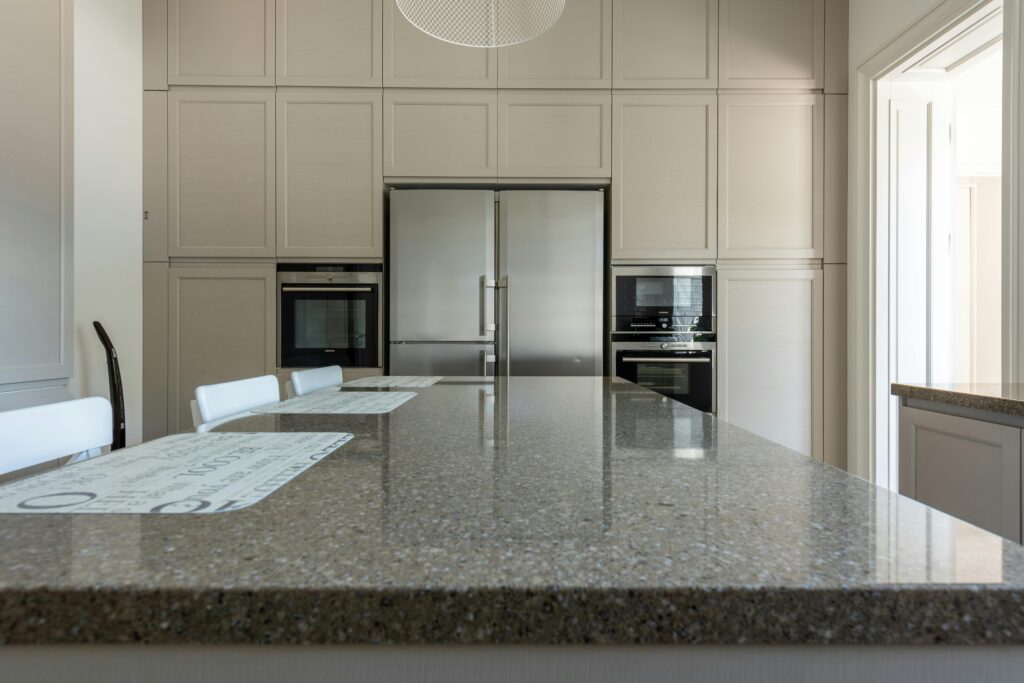
What is Granite?
Granite is a natural stone formed from volcanic activity and composed of various minerals such as quartz, feldspar, and mica. It boasts excellent durability, heat resistance, and beauty, making it a popular choice for kitchen worktops and countertops.
The unique mineral composition of granite provides it with exceptional strength and resistance to scratches, stains, and heat, making it an ideal surface for kitchens that experience daily use. With a wide array of colours and patterns, granite offers a versatile selection to suit diverse design preferences, from minimalist and modern to classic and traditional.
The intricate blend of minerals in granite results in captivating patterns that enhance the natural aesthetic of any kitchen space. Its enduring quality ensures that granite countertops can withstand the demands of a bustling kitchen while remaining both functional and visually appealing for many years.
Properties and Uses of Granite in Kitchen Worktops
Granite is considered the best material for kitchen worktops due to its durability, heat resistance, and aesthetic appeal. It is a versatile surface that is ideal for various kitchen activities such as food preparation, dining, and social interactions, enhancing both elegance and functionality in any kitchen space. Its heat resistance allows for the placement of hot pots and pans directly on the surface without causing damage, while its scratch-resistant properties ensure that daily tasks like cutting and chopping do not result in lasting marks.
Additionally, its ability to repel stains makes cleaning and maintenance easy, especially in a busy kitchen prone to spills and splatters. Granite worktops come in a wide range of designs, suitable for modern sleek kitchens to cosy traditional farmhouse designs, enhancing the overall aesthetic appeal of the kitchen.

Effects of Toothpaste on Granite
It is important to understand the effects of toothpaste on granite for the long-term care and maintenance of granite surfaces. Despite its traditional use for oral hygiene, toothpaste can cause damage and surface degradation to granite worktops.
Possible Damage to Appearance and Durability
Toothpaste can damage granite by causing scratches, stains, or loss of lustre. The abrasive particles from toothpaste can break down the protective sealant on granite, leading to deterioration of the surface and damaging the overall appearance and longevity of the countertops.
Damage by toothpaste on granite can lead to visible surface scratches, which detract from the smooth and even surface that is typical of granite and make it appear worn and damaged. It may cause staining of the surface which can alter and seep into the natural hues and patterns. Over time, frequent use of toothpaste on granite will result in loss of the glossy finish, and the surface will become dull and lifeless.
To prevent these issues, toothpaste should not be used to clean granite countertops and a gentle, non-abrasive cleaner designed specifically for stone surfaces should be used.
Preventing Damage to Granite Worktops
To prevent damage to granite worktops, it is essential to implement proper care and maintenance practices that safeguard the surfaces against harmful substances and chemical reactions. Sealants and protective measures are applied to maintain the integrity and appearance of granite worktops over prolonged periods.
Best Practices for Cleaning and Maintenance
The most crucial factor in extending the lifespan and preserving the quality of granite worktops is adopting best practices for cleaning and maintenance. Regular cleaning with mild, non-abrasive cleaning solutions and applying sealants correctly are key methods to protect the surfaces from potential damage and preserve their appearance over time.
The recommended method for cleaning granite worktops involves using a soft cloth or sponge with warm water and a mild soap to wipe down the surface. It is advisable to avoid acidic or abrasive chemical cleaners as they can remove the sealant and potentially cause staining. In case of stains on the granite surface, a paste made of bicarbonate of soda and water can be used to gently scrub the affected area to remove the debris.
After cleaning, the worktops should be thoroughly dried to prevent water spots. To test the effectiveness of the sealant, a few drops of water can be placed on the surface – if the sealant is still active, the water will bead up. If not, a granite-specific sealant should be reapplied to ensure continued protection against moisture and spills.
Alternative Cleaning Methods for Granite
When exploring alternative cleaning methods for granite, it is recommended to use non-abrasive cleaners and apply sealant properly. These methods can help preserve the surface integrity and appearance of granite worktops, offering a more effective and safer option compared to traditional cleaning products like toothpaste.
Effective and Safe Alternatives to Toothpaste
For the best alternatives to toothpaste for cleaning granite surfaces, opt for products that are gentle, non-acidic, and safe for surface protection. Choosing safe cleaning agents that do not contain acidic substances helps maintain the quality and lifespan of granite worktops by reducing the likelihood of damage. Using cleaning solutions specifically designed for granite surfaces helps prevent etching and dulling caused by harsh chemicals.
Mild dish soap diluted in warm water and commercial granite cleaners are safe options for effective cleaning without harming the stone. Natural solutions like a mixture of water and vinegar, or a paste of baking soda, are safe for removing tougher stains and ensuring a thorough clean without damaging the granite. It is essential to ensure that the cleaner is pH balanced and free from ammonia, bleach, and other abrasives that could erode the granite sealant over time.
Frequently Asked Questions
Does toothpaste damage granite kitchen worktops?
Yes, toothpaste can potentially cause damage to your granite kitchen worktops if it is not properly cleaned up.
How does toothpaste damage granite kitchen worktops?
Toothpaste typically contains abrasive ingredients that can scratch the surface of granite, leaving behind dull spots or etching.
Can I use toothpaste to clean my granite kitchen worktops?
No, toothpaste is not recommended as a cleaning agent for granite worktops. It can cause damage and should be avoided.
What should I use to clean my granite kitchen worktops?
It is best to use a gentle, non-abrasive cleaner specifically designed for granite or a mild soap and water solution to clean your granite worktops.
Can toothpaste stains be removed from granite worktops?
Yes, toothpaste stains can typically be removed from granite worktops with a granite-safe cleaner or a mixture of baking soda and water.
How can I prevent toothpaste damage on my granite kitchen worktops?
To prevent damage, make sure to clean up any toothpaste spills immediately and avoid using toothpaste as a cleaning agent for your granite worktops.