Bicarbonate of soda is a versatile household ingredient known for its cleaning properties. When it comes to cleaning granite surfaces, there is a common question that arises - does bicarbonate of soda cause damage to granite?
In this comprehensive article, we will delve into the properties of bicarbonate of soda and granite, exploring the composition of granite and how bicarbonate of soda affects it. We will address concerns such as whether bicarbonate of soda causes etching, scratches, or discolouration on granite, and whether it damages the sealant. We will discuss alternative cleaning agents such as vinegar, hydrogen peroxide, and ammonia, and their safety for cleaning granite. We'll provide insights on proper cleaning techniques and tips for maintaining the shine and lustre of granite.
We will explore other factors that can potentially damage granite, offering readers a thorough understanding of how to care for their granite surfaces. Whether you're a homeowner, a cleaning enthusiast, or simply curious about the care of granite, this article aims to provide you with the knowledge to make informed decisions about preserving the beauty and longevity of your granite surfaces.
What Is Baking Soda?
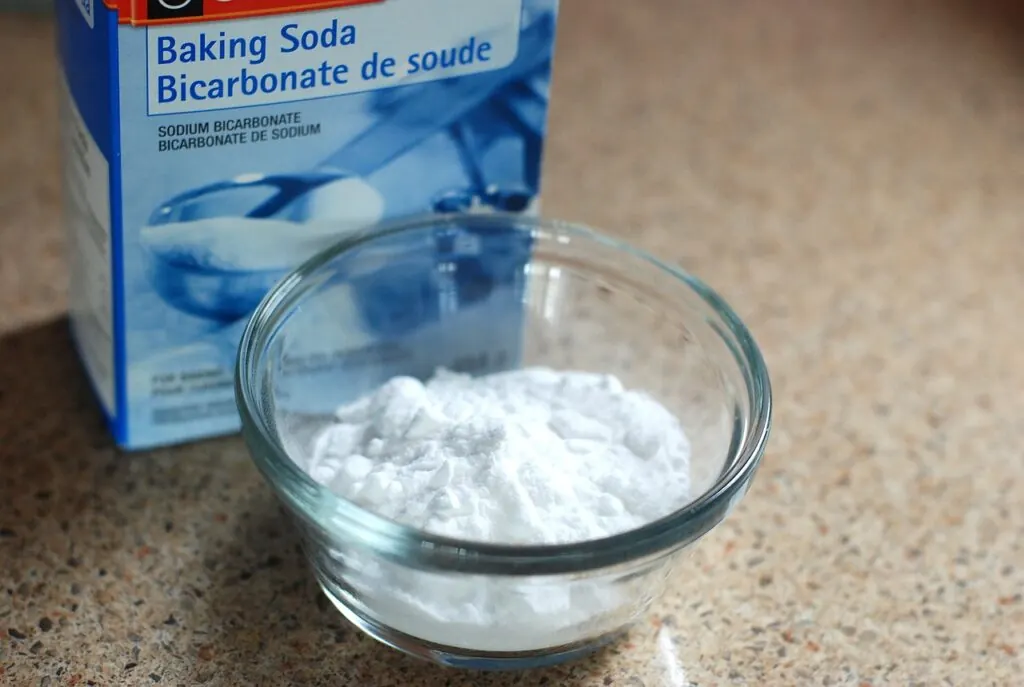
Bicarbonate of soda, also known as sodium bicarbonate, is a versatile household cleaner commonly used for cleaning and deodorising various surfaces.
Its mild abrasive properties make it effective in scrubbing away tough stains, whether it's on kitchen worktops, stainless steel appliances, or bathroom tiles. Its natural deodorising abilities make it excellent for neutralising odours in fridges, carpets, and even shoes.
When combined with water or vinegar, bicarbonate of soda forms a powerful cleaning solution that can tackle grease, grime, and soap scum without harsh chemicals. Its versatility and effectiveness make it a go-to choice for eco-friendly and budget-conscious cleaning.
What is Granite?
Granite is a natural stone renowned for its durability and aesthetic appeal, commonly utilised in the construction of elegant countertops and surfaces.
Its dense composition and heat-resistant properties make it an ideal choice for kitchen and bathroom countertops, whilst its unique patterns and colour variations add a touch of sophistication to any space. Granite's natural resilience against scratches and stains ensures longevity and minimal maintenance, making it a practical and visually appealing option for both residential and commercial applications.
What is the composition of granite?
Granite is composed of various minerals, including feldspar, quartz, and mica, which contribute to its distinctive composition and resilient surface.
These mineral components play a crucial role in defining granite's characteristics. The high quartz content gives granite its durability and resistance to heat, making it ideal for kitchen countertops and flooring. On the other hand, the presence of feldspar and mica adds diversity to its appearance, creating unique patterns and colours. This mineral composition not only bestows granite with exceptional strength and longevity but also enhances its aesthetic appeal, making it a popular choice for both architectural and decorative purposes.
How Does Baking Soda Affect Granite?
The interaction between bicarbonate of soda and granite is a topic of concern, as the potential reaction of the two substances raises questions about damage, acidity, and the neutralisation process.
When bicarbonate of soda comes into contact with granite, there is a possibility of chemical reaction that can lead to damage on the surface. Granite is primarily composed of alkaline minerals such as quartz and feldspar, and the acidic nature of bicarbonate of soda could potentially cause a disruption in the balance. This can result in etching or dulling of the granite surface. When used appropriately and in controlled amounts, bicarbonate of soda can aid in neutralising acidic substances that may come into contact with granite, thus minimising any potential harm.
Does Baking Soda Cause Etching on Granite?
The use of bicarbonate of soda for cleaning granite surfaces raises concerns about potential etching, which may impact the overall maintenance and care of the worktops.
This potential etching can result from the abrasive nature of bicarbonate of soda when used for cleaning, leading to the deterioration of the granite surface over time. It is important for homeowners to be aware of this risk and consider alternative cleaning methods to preserve the integrity of their worktops.
Regular maintenance and proper care, such as using pH-neutral granite cleaners and avoiding harsh abrasives, can help prevent etching and maintain the natural beauty of the granite.
Does Baking Soda Cause Scratches on Granite?
Scratching on granite surfaces due to the use of bicarbonate of soda is a point of consideration, as it pertains to the care and preservation of the stone's surface.
It is essential to be mindful of the potential impact of using bicarbonate of soda on granite. The abrasive nature of bicarbonate of soda can lead to micro-scratches, compromising the smooth and lustrous appearance of the stone. To maintain the surface integrity, it is advisable to opt for gentler cleaning agents and methods that do not pose a risk of scratching.
By prioritising careful maintenance, the longevity and beauty of granite surfaces can be preserved for years to come.
Does Baking Soda Cause Discolouration on Granite?
Discolouration concerns associated with the use of bicarbonate of soda on granite prompt a consideration of the impact on the stone's appearance and the efficacy of sealant protection.
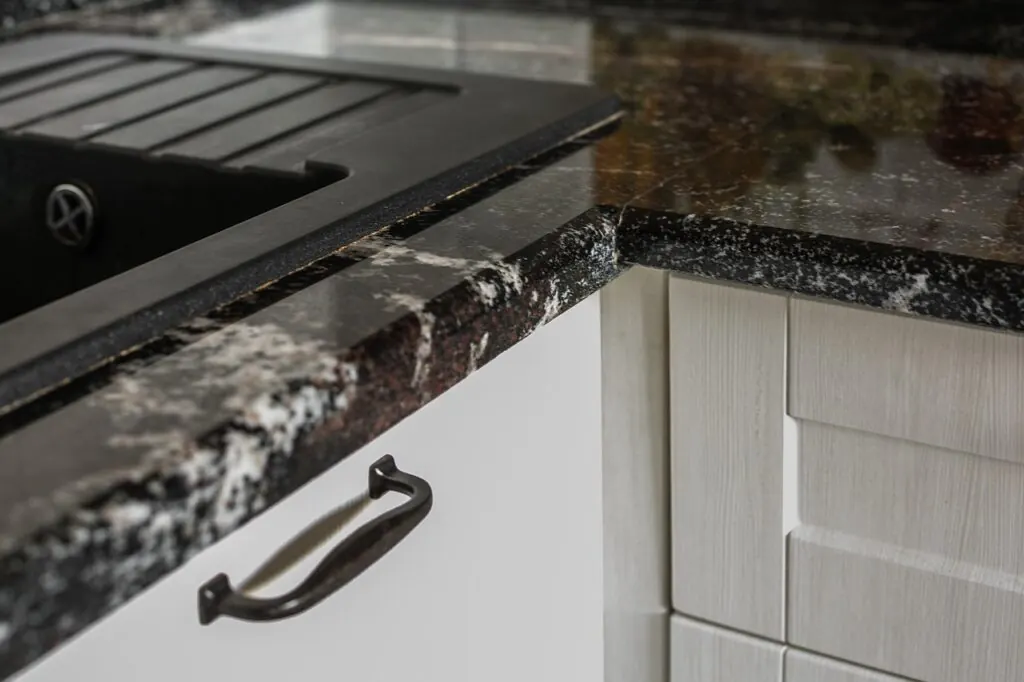
When bicarbonate of soda comes into contact with granite, there is a possibility that it may cause discolouration, particularly in areas where the stone is porous or unsealed. This can be a significant concern for homeowners and designers who have invested in the natural beauty of granite worktops or floors.
The effectiveness of any sealant applied to the granite may be compromised by the presence of bicarbonate of soda, potentially leading to decreased protection against staining and etching. Therefore, it is essential to carefully weigh the benefits of using bicarbonate of soda against the risks of potential discolouration and decreased sealant effectiveness.
Does Baking Soda Damage the Sealant on Granite?
Understanding the potential damage to the sealant on granite caused by the interaction with baking soda is crucial for preserving the stone's integrity and surface protection.
This interaction can lead to a chemical reaction that compromises the sealant's ability to repel stains and moisture. When baking soda comes into contact with the sealant, it can break down its protective properties, leaving the granite vulnerable to etching and discolouration. This can pose a significant challenge for maintaining the durability and aesthetics of granite surfaces. It is essential to be mindful of the impact of baking soda on the sealant and take appropriate measures to safeguard the longevity of granite installations.
What Are the Alternatives to Baking Soda for Cleaning Granite?
In the absence of bicarbonate of soda, several effective alternatives exist for cleaning granite worktops, providing safe and efficient solutions for maintenance.
One commonly used alternative for cleaning granite worktops is a mixture of mild washing-up liquid and warm water. This gentle solution effectively removes stains and grime without causing any damage to the granite surface.
White vinegar diluted with water can be used as a natural and safe cleaning agent for granite worktops, as it helps to disinfect and restore shine without leaving streaks.
These alternatives not only maintain the beauty of the worktops but also ensure that they remain free from harmful chemicals.
Is Vinegar Safe for Cleaning Granite?
The use of vinegar as a cleaning agent for granite surfaces prompts an exploration of its safety and compatibility with the natural stone's composition.
It is commonly believed that vinegar can be a natural and effective cleaner for various surfaces, including granite. When it comes to granite, the acidic nature of vinegar can have a detrimental effect on the natural stone if used undiluted or in excessive quantities. The acetic acid in vinegar can etch and dull the polished surface of granite over time. It is recommended to dilute vinegar with water when cleaning granite countertops or floors to minimise its potential impact on the stone while still benefitting from its cleaning properties.
Is Hydrogen Peroxide Safe for Cleaning Granite?
The potential use of hydrogen peroxide for cleaning granite necessitates an evaluation of its safety and efficacy in maintaining the stone's pristine condition.
Hydrogen peroxide has gained attention for its environmentally friendly properties and its effectiveness in removing stubborn stains and grime. When considering its impact on granite maintenance, it's important to note that hydrogen peroxide can be a suitable option for regular cleaning, but caution must be exercised with its concentration. It can assist in preserving the quality of granite surfaces by ensuring minimal wear and tear. Its anti-bacterial properties make it a compelling choice for maintaining hygiene without compromising the integrity of the stone.
Is Ammonia Safe for Cleaning Granite?
Assessing the safety of using ammonia for cleaning granite surfaces is essential for determining its compatibility and potential impacts on the stone's aesthetic and structural integrity.
It is important to consider the chemical properties of ammonia and its potential interaction with the unique composition of granite. Ammonia, known for its strong cleaning properties, can affect the natural shine and colour of granite if not used appropriately. Prolonged and excessive use of ammonia-based cleaners may weaken the structural integrity of granite, potentially leading to surface damage.
Understanding the risks and benefits of ammonia for granite cleaning is crucial for maintaining the longevity and appearance of these surfaces.
How to properly clean granite?
Properly cleaning granite involves utilising gentle, non-abrasive methods to ensure the maintenance of its surfaces and the preservation of its natural allure.
It is important to use a pH-neutral cleaner specifically designed for granite to avoid damaging its surface. When wiping down the granite, use a soft cloth or sponge, and avoid scrubbing with abrasive materials to prevent scratches.
For tougher stains, consider making a paste using bicarbonate of soda and water and gently applying it to the affected area. Always remember to rinse thoroughly and dry with a clean, soft cloth to prevent water spots. Regular maintenance and gentle cleaning will help keep your granite looking beautiful and well-maintained.
How to Maintain the Shine and Luster of Granite?
Maintaining the shine and lustre of granite worktops requires regular care, specific cleaning practices, and the application of protective sealants to safeguard their appearance.
This involves taking preventative measures to protect the surface from scratching, staining, and etching. Using gentle, pH-neutral cleaners is essential to avoid damaging the natural stone.
Resealing the worktops every one to three years helps maintain their brilliance and repels stains and spills effectively. With these strategies in place, granite worktops can retain their shine and lustre, enhancing the aesthetic appeal of any kitchen or bathroom.
What are the other factors that can damage granite?
Various factors beyond cleaning, including chemical reactions, high impact, and improper maintenance, can contribute to the potential damage of granite surfaces.
These factors can lead to discolouration, etching, or staining of the granite. Chemical reactions from acidic substances, such as lemon juice or vinegar, can erode the protective sealant on the granite. High impact from heavy objects or sharp blows can cause chipping or cracking. Improper maintenance, like using harsh cleaning products or neglecting to reseal the granite, can also weaken its integrity over time.
Understanding these diverse factors is crucial for preserving the beauty and longevity of granite surfaces.