Granite kitchen worktops are a popular choice for homeowners due to their durability, beauty, and functionality. A common question that arises is whether it's safe to put a hot pan directly on a granite worktop. In this article, we will explore the properties of granite, its suitability for kitchen worktops, and its resistance to heat. We will also address the maximum temperature granite can withstand, what happens when a hot pan is placed on it, and how to protect granite from heat.
Whether you're a seasoned homeowner or a first-time kitchen renovator, understanding the dos and don'ts of using granite worktops will help you make informed decisions and maintain the longevity of your kitchen surfaces.
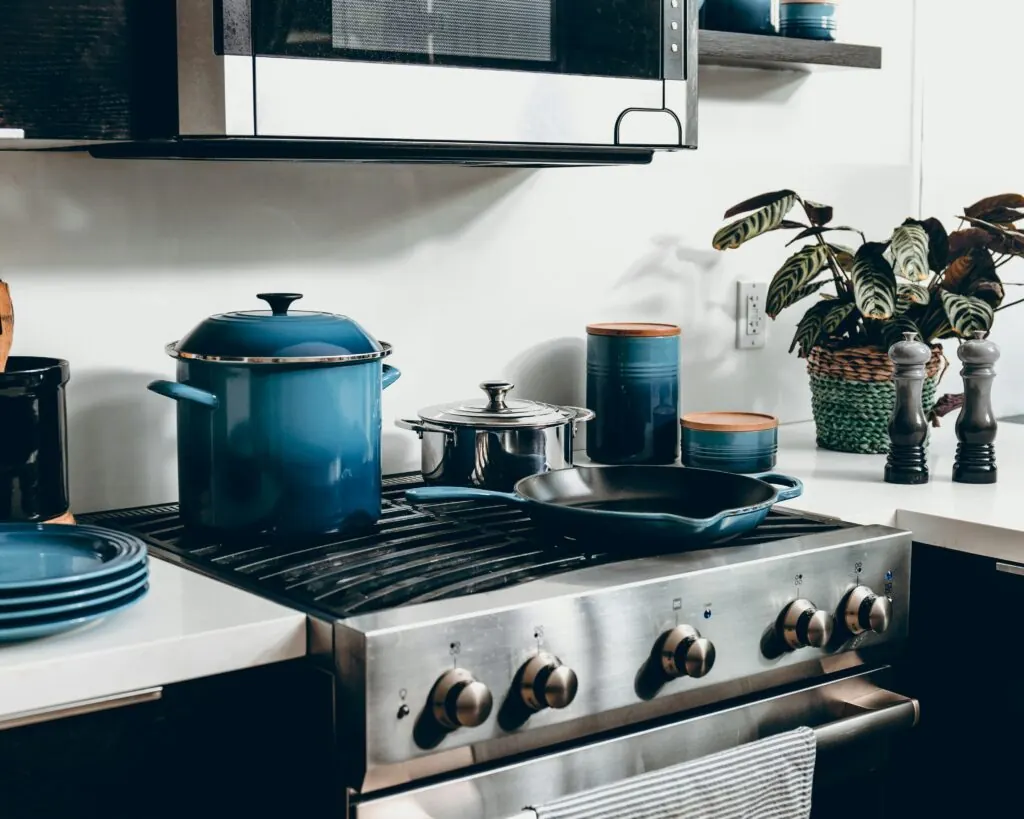
Can you place a hot pan on granite kitchen worktops?
When considering the placement of a hot pan on granite kitchen work surfaces, it's important to understand the material's heat resistance and the precautions that can ensure kitchen safety and countertop care.
Granite is known for its exceptional heat resistance, making it a popular choice for kitchen work surfaces. Its durability allows it to withstand high temperatures without being damaged or weakened. When using granite work surfaces, it's vital to use trivets or hot pads to protect the surface from direct heat exposure. This simple precaution not only safeguards the countertop but also prevents potential accidents in the kitchen.
Regular cleaning and sealing of the granite surface can prolong its longevity, ensuring a beautiful and safe kitchen environment.
What is Granite?
Granite, a natural stone and igneous rock, serves as a widely favoured construction material, especially for kitchen worktops due to its durability and aesthetic appeal.
Formed through the slow crystallisation of molten magma deep beneath the Earth's surface, granite is characterised by its interlocking mineral crystals and distinctive speckled appearance. Its durability, resistance to heat, and low maintenance make it a popular choice for kitchen worktops, adding a touch of elegance and sophistication to any culinary space.
The wide range of colours and patterns available in granite allows for custom designs that complement various kitchen styles, further contributing to its widespread use in residential and commercial settings.
How is Granite Used in Kitchen Worktops?
Granite is utilised in kitchen worktops through meticulous installation processes, offering diverse design options and long-lasting durability for culinary spaces.
It can be seamlessly integrated into various kitchen styles, from classic to modern, due to the wide range of colours and patterns available. When installing granite, it's crucial to ensure proper support and sealing to maintain its resilience against stains and heat. The sleek and smooth surface of granite facilitates easy cleaning and maintenance, making it an ideal choice for busy kitchens. Its durability also makes it a long-term investment, adding value to the kitchen and enhancing its aesthetic appeal.
What Makes Granite a Good Material for Kitchen Worktops?
Several factors contribute to granite's suitability as a material for kitchen worktops, including its impressive heat resistance, scratch resistance, stain resistance, and overall durability.
These qualities set granite apart from other materials, making it an excellent choice for use in the kitchen. Its heat resistance makes it ideal for placing hot cookware directly on the surface without causing damage, and its scratch resistance ensures that it can withstand the daily wear and tear of a busy kitchen.
Granite's stain resistance means it can easily repel spills and splashes, maintaining its pristine appearance for years to come. Its long-term durability makes it a sound investment, as it can withstand frequent use and still look as stunning as the day it was installed.
Heat Resistance
Granite exhibits remarkable heat resistance, capable of withstanding a hot pan's thermal impact and necessitating cooking precautions to ensure effective heat protection for the kitchen worktops.
Its dense composition and high thermal conductivity make it ideal for areas exposed to heat. The sudden temperature change from direct contact with a hot pan can cause thermal shock, potentially leading to cracks or damage.
To safeguard the granite surface, it's advisable to use trivets or hot pads to create a protective barrier between the hot cookware and the countertop. This simple yet crucial step can help preserve the beauty and integrity of your granite surface for years to come.
Scratch Resistance
In addition to its heat resistance, granite also boasts impressive scratch resistance, contributing to the material's longevity and requiring specific countertop care and maintenance practices.
This scratch resistance of granite makes it an ideal choice for high-traffic areas in kitchens and bathrooms where the countertops are subject to regular use and potential wear and tear. With its ability to withstand scratching from knives, utensils, and other sharp objects, granite provides homeowners with peace of mind knowing that their countertops will maintain their polished and elegant appearance over time.
Proper care and maintenance, such as regular cleaning and sealing, are essential to ensure the longevity and continued durability of granite countertops, preserving their scratch-resistant properties for years to come.
Stain Resistance
Granite's inherent stain resistance makes it an ideal choice for kitchen worktops, offering protection against spillage and requiring regular cleaning and sealing for surface protection.
This natural resistance to stains is due to the dense nature of granite, which minimises the absorption of liquids. When properly sealed, the porous nature of granite is further mitigated, enhancing its ability to resist spills and stains. It's important to clean up spills promptly to prevent them from seeping into the surface. Regular cleaning and resealing ensure that the granite maintains its protective barrier and continues to exude elegance and functionality in the kitchen space.
Durability
Granite's durability is a defining feature, enabling it to withstand impact and ensuring long-term structural integrity for various kitchen worktop applications.
This natural stone is known for its exceptional resistance to scratches, heat, and stains, making it a preferred choice for busy kitchen environments. Whether used for food preparation, dining, or casual gatherings, granite countertops offer unparalleled strength, reducing the risk of damage and maintaining their aesthetic appeal for years to come.
Its robust nature also makes it suitable for outdoor kitchen setups, where exposure to environmental elements requires a material that can endure harsh conditions without compromising its quality.
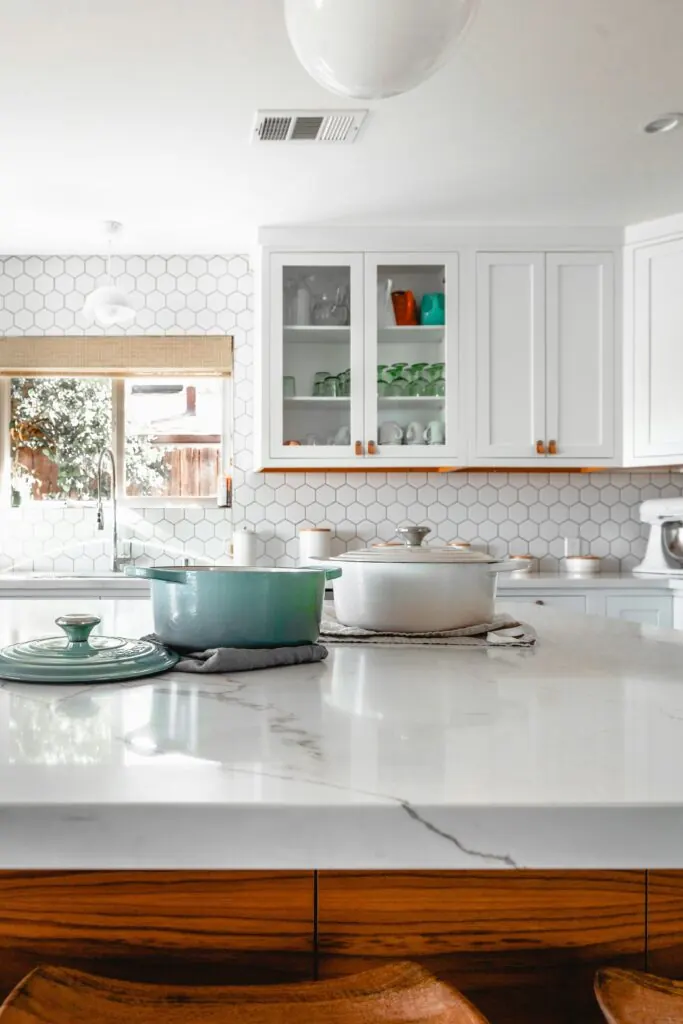
How hot can granite withstand?
Understanding the maximum temperature that granite can withstand is crucial for ensuring the material's resilience in kitchen worktops and avoiding potential thermal shock.
Granite has an impressive threshold for heat, able to withstand temperatures as high as 1200 degrees Fahrenheit or more, making it ideal for use in kitchen settings where hot cookware and appliances are frequently in use. This high heat resistance is essential for preventing thermal shock, which can occur when a material is rapidly exposed to extreme temperature changes. By choosing granite for kitchen worktops, homeowners can have confidence in the durability and safety of their surfaces, even in the face of intense heat.
What is the Maximum Temperature for Granite Kitchen Worktops?
The maximum temperature for granite kitchen worktops is a critical consideration, as exceeding the heat limit can lead to thermal shock, necessitating specific safety precautions.
It is recommended to avoid placing hot pans directly onto the granite surface, as temperatures exceeding 300 degrees Fahrenheit can potentially cause thermal shock. This sudden change in temperature can lead to cracks or even shattering of the granite, compromising its structural integrity. To mitigate this risk, it is advisable to use trivets or hot pads to provide a buffer between hot cookware and the granite worktops. Regularly sealing the granite can also help enhance its heat resistance, offering added protection against heat-induced damage.
What happens if you put a hot pan on granite kitchen worktops?
Placing a hot pan on granite kitchen worktops can potentially result in heat damage, thermal shock, and the risk of cracks or discolouration, prompting the need for caution and preventive measures.
Granite is a durable material, but it is not impervious to heat. When a hot pan is placed directly on the granite surface, the intense heat can cause the stone to expand quickly, leading to thermal shock. This rapid expansion and contraction can weaken the structure of the granite, potentially resulting in cracks. The heat can cause the granite to discolour, altering its natural appearance. To prevent these consequences, it is advisable to use trivets or heat-resistant pads to protect the granite worktops from extreme temperatures.
Does the Heat Cause Damage to Granite?
The application of heat can indeed cause damage to granite, leading to potential thermal shock and necessitating specific countertop care and preventive measures to mitigate the risks. Excessive heat exposure can result in cracks or discolouration in granite surfaces due to its composition and natural characteristics. Thermal shock, caused by sudden temperature changes, can also weaken the structure of the stone.
To prevent such issues, it's essential to use trivets or hot pads under hot pots and pans and avoid placing items directly from the oven onto the granite surface. Regularly sealing the granite can also help in protecting it against heat damage and maintaining its lustre and durability over time.
Can Granite Crack or Break from Heat?
Granite can be susceptible to cracking or breaking from prolonged heat exposure, as thermal stress may compromise its structural integrity, necessitating caution and proactive maintenance.
This susceptibility to heat-related damage is due to the natural mineral composition of granite, which can expand and contract under extreme temperature variations. To mitigate the risk, homeowners should avoid placing hot items directly onto the granite surface and use trivets or hot pads.
Regular sealing of the granite can help to reinforce its resistance to thermal stress. It's also essential to consult with a professional to address any existing cracks or damage, ensuring the long-term durability of the granite surfaces.
Does Granite Discolor from Heat?
Exposure to heat can potentially lead to discolouration of granite, causing colour alteration and surface damage, highlighting the importance of proper sealing and maintenance.
When granite is exposed to high temperatures, the minerals within the stone can react, leading to a change in colour. This can result in a loss of the stone's natural lustre and vibrancy. Heat can cause the surface of the granite to weaken, making it more susceptible to scratching and other forms of damage.
To prevent these issues, it's crucial to apply a high-quality sealant to the granite and implement regular maintenance practices to preserve its beauty and integrity over time.
How to Protect Granite from Heat?
Protecting granite from heat involves employing trivets, hot pads, and specific cooking precautions, alongside the regular sealing of the granite surface to ensure long-term preservation.
Trivets and hot pads act as barriers between hot pots, pans, and dishes and the granite surface, preventing direct heat transfer and potential damage. It's important to place these protective tools under hot items to avoid thermal shock and discolouration of the granite. Using cooking precautions such as not placing hot items directly from the stove or oven onto the granite can help minimise the risk of heat damage.
Regularly sealing the granite surface with a high-quality sealant forms a protective layer, enhancing its resistance to heat and stains.
Use trivets or hot pads
Utilising trivets or hot pads is a fundamental practice for ensuring heat protection and countertop care when dealing with granite, contributing to enhanced cooking safety and material preservation.
By using trivets or hot pads, one can minimise the risk of heat damage and stains to the granite surface, maintaining its aesthetic appeal. These protective accessories create a barrier between hot cookware and the countertop, preventing potential burns and scorch marks. This simple precaution not only safeguards the granite but also promotes a safer cooking environment, reducing the chances of accidental burns or fire hazards. It's a small investment that can prolong the lifespan of both your countertops and your cooking utensils.
Avoid Direct Contact with High Heat Items
Preventing direct contact with high heat items is crucial for safeguarding granite against thermal shock and necessitates the implementation of specific preventive measures to maintain the material's integrity.
When granite is exposed to high heat, such as placing hot pots or pans directly on its surface, it can lead to thermal shock, causing cracks and damage. To prevent this, it is advisable to use trivets or hot pads to create a protective barrier between the hot items and the granite. Taking care when using cooking appliances such as crockpots or toaster ovens near granite countertops can help minimise the risk of exposure to high heat. By being mindful of these preventive measures, one can prolong the lifespan and beauty of their granite surfaces.
Seal the granite surface regularly
Regularly sealing the granite surface is essential for enhancing heat protection, facilitating maintenance, and ensuring the material's longevity in various kitchen applications.
This crucial process creates a barrier that protects the granite from the damaging effects of heat exposure, preventing discolouration, cracking, and other forms of deterioration. By sealing the surface, homeowners can also minimise the need for extensive repairs and replacements, ultimately saving time and money while preserving the aesthetic appeal of their countertops and other granite surfaces.
Regular sealing not only contributes to the durability and resilience of the granite but also maintains its lustre and smooth texture, enriching the overall visual appeal of the space.
Frequently Asked Questions
Can you put a hot pan on granite kitchen worktops?
nYes, you can put a hot pan on granite kitchen worktops. nn
Is it safe to put a hot pan directly on a granite kitchen worktop?
nYes, granite is a heat resistant material and can withstand high temperatures. nn
Can putting a hot pan on granite cause damage?
nWhile granite is durable, it is still possible for it to crack or chip if exposed to extreme temperature changes. It is best to use a trivet or hot pad to protect the surface. nn
What is the maximum temperature that granite can handle?
nGranite can handle temperatures up to 1200 degrees Fahrenheit, making it suitable for use with hot pans and cooking appliances. nn
Will putting a hot pan on granite stain or discolor the surface?
nNo, granite is a non-porous material and is not affected by heat. It will not stain or discolor from hot pans. nn
Are there any precautions I should take when putting a hot pan on granite kitchen worktops?
nIt is always a good idea to use a trivet or hot pad to protect the surface from heat and to avoid any potential damage. Additionally, be sure to clean and dry the surface before placing hot pans on it to prevent any potential cracking.