Quartz countertops are a popular choice for kitchens and bathrooms due to their durability, heat resistance, and stain resistance. When it comes to placing a hot pan directly on quartz, there are some important considerations to keep in mind. In this article, we will explore the properties of quartz, the risks of putting a hot pan on quartz, and alternative methods for protecting your quartz countertops.
Whether you're a homeowner considering quartz or a current quartz countertop owner, understanding how to care for your surfaces is essential. Let's delve into the topic of placing hot pans on quartz and how to do so safely and effectively.
What Is Quartz?
Quartz, a popular countertop material, is a versatile and durable choice for kitchen surfaces.
It is known for its durability, as it is resistant to scratches and stains, making it a low-maintenance option for busy kitchens. Quartz is available in a wide range of colours and patterns, allowing homeowners to find the perfect match for their kitchen design. Its non-porous nature makes it highly resistant to bacteria and moisture, making it a hygienic option for food preparation areas. With its combination of durability, aesthetics, and practicality, quartz proves to be an excellent choice for kitchen countertops.
What are the properties of quartz?
Quartz exhibits various properties such as:
- Exceptional heat resistance
- Potential damage from thermal shock
- Enduring durability
Making it a sought-after material for kitchen surfaces.
Hardness
The hardness of quartz contributes to its exceptional durability and scratch resistance, making it an ideal choice for high-traffic areas such as kitchen worktops.
Its innate hardness, ranking 7 out of 10 on the Mohs scale of mineral hardness, ensures that quartz can withstand daily wear and tear in kitchen settings. This durability makes it a low-maintenance option, as it is highly resistant to scratches, impact, and heat, providing homeowners with peace of mind and long-lasting beauty.
These properties make quartz a practical and aesthetically pleasing choice for kitchen worktops and surfaces that are subjected to constant use and potential stress.
Heat Resistance
Quartz is renowned for its remarkable heat resistance and high temperature tolerance, mitigating the risk of burns and damage from hot objects placed on its surface.
It is capable of withstanding extreme temperatures, making it a suitable choice for kitchen worktops and laboratory surfaces. The heat resistance of quartz also adds to its durability and longevity, providing a reliable solution for environments where exposure to high heat is common. This exceptional property makes quartz an ideal material for applications requiring heat protection, ensuring safety and longevity in various settings.
Stain Resistance
The stain resistance of quartz, coupled with proper care instructions, ensures a long-lasting and pristine appearance for kitchen surfaces.
It is essential to adhere to regular care and maintenance routines to uphold the lustrous and spotless quality of quartz countertops and splashbacks. Following manufacturer's guidelines for cleaning products and methods can safeguard against potential damage.
Routine wiping with a mild soap and water solution and avoiding harsh abrasives or acidic substances are vital to preserving the sleek and elegant finish. By prioritising these care measures, homeowners can savour the enduring beauty and durability of quartz in their kitchen spaces.
Is it permissible to place a hot pan on quartz?
Concerns about placing a hot pan directly on quartz surfaces prompt considerations about placement and the use of heat protection measures to safeguard the material. This is particularly important as quartz worktops are prone to damage from sudden temperature changes. To protect quartz surfaces from heat, options like using trivets, hot pads, or heat-resistant mats can be explored. These barriers prevent direct contact between the hot pan and the quartz, reducing the risk of thermal shock or discolouration.
Allowing the hot pan to cool briefly on a heat-resistant surface before placing it on the quartz can help mitigate the impact of heat. These strategies play a crucial role in maintaining the integrity and longevity of quartz worktops.
Direct Contact
Direct contact between a hot pan and quartz surfaces may pose potential risks of damage, necessitating precautionary measures to mitigate the impact.
Quartz surfaces are praised for their durability and heat resistance, however, extreme temperature differentials can cause thermal shock, leading to cracks or discolouration. To prevent damage, always use heat-resistant trivets or mats under hot pans and cookware to create a buffer. Avoid placing hot pans directly from the stove or oven onto the quartz surface. These simple precautions can prolong the lifespan and pristine appearance of your quartz countertops.
Using A Trivet
Utilising a trivet provides effective heat protection for quartz surfaces, serving as a preventative measure against the potential damage caused by hot pans.
By using a trivet, the risk of thermal shock and discolouration on the quartz worktops is significantly reduced. This simple yet essential kitchen tool helps maintain the beauty and durability of the quartz surface, as it acts as a barrier between the hot cookware and the delicate material.
Trivets come in various designs and materials, adding aesthetic value to the kitchen while safeguarding the surfaces. Embracing the use of trivets not only ensures kitchen safety but also prolongs the lifespan of quartz surfaces, making it a practical choice for homeowners aiming to maintain both functionality and aesthetics in their kitchens.
Using A Heat Pad
Using a heat pad provides an additional layer of protection against burn risks and potential damage when placing hot pans on quartz, in line with recommended cooking precautions.
This simple yet effective solution acts as a barrier between the searing heat of cookware and the delicate quartz surface, preventing any potential harm. By using a heat pad, you not only safeguard your worktops but also minimise the risk of thermal shock, which can occur when extreme temperatures interact with quartz.
With its ability to distribute heat evenly, the heat pad ensures a safe and secure environment, allowing for stress-free cooking experiences and prolonging the lifespan of your quartz surfaces.
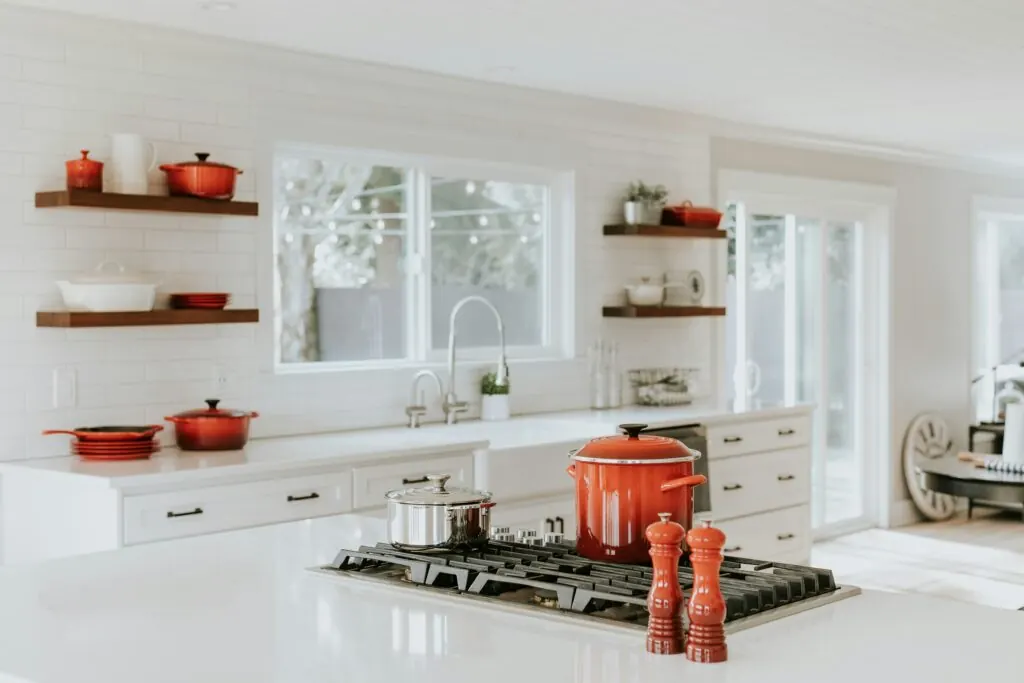
What are the risks of placing a hot pan on quartz?
Placing a hot pan on quartz surfaces poses inherent risks such as thermal shock and potential damage to the sealant, prompting considerations for prevention and preservation.
The rapid temperature change caused by the hot pan can lead to thermal shock, resulting in cracks or discolouration on the quartz surface. To prevent this, it is recommended to use trivets or hot pads to create a buffer between the hot cookware and the quartz. Allowing the pan to cool slightly before placing it on the quartz can help mitigate the risk of thermal shock.
Regularly inspecting the sealant and resealing as needed can also preserve the integrity of the quartz surface and minimise potential damage.
Thermal Shock
The susceptibility of quartz to thermal shock underlines the importance of understanding its temperature tolerance and mitigating factors to prevent potential damage.
Quartz surfaces are designed to withstand high temperatures, but sudden changes in temperature can lead to thermal shock, causing cracks and other damage. It's essential to ensure that quartz surfaces are installed with proper expansion joints to allow for thermal expansion and contraction. Avoid placing hot pans or pots directly onto the quartz surface and use trivets or hot pads to help prevent sudden temperature changes. Essentially, being mindful of temperature differences and taking preventive measures is crucial in maintaining the integrity of quartz surfaces.
Damage To The Sealant
The possibility of damage to the sealant on quartz surfaces necessitates adherence to care instructions to mitigate the risk and preserve the material's integrity.
This underlines the importance of regular cleaning using non-abrasive cleaners to maintain the sealant's effectiveness. Avoiding strong chemicals and abrasive tools helps in safeguarding the sealant from deterioration. Periodic resealing of quartz surfaces is crucial to ensure long-term protection.
Implementing preventative measures, such as using coasters and trivets to prevent direct contact with hot cookware or sharp objects, can significantly contribute to preserving the sealant and prolonging the lifespan of quartz surfaces.
Discoloration
The risk of discolouration due to placing hot pans on quartz prompts the need for proactive cooking precautions and protective measures to safeguard the material's appearance.
This risk can be mitigated by utilising trivets or hot pads to create a barrier between the hot pans and the quartz surface. Educating individuals on the proper care and maintenance of quartz countertops to avoid potential damage from thermal shock is essential. Implementing these preventive measures can help preserve the longevity and aesthetics of the quartz surfaces, ensuring they remain a beautiful and functional element in the kitchen without compromise.
What Are The Alternatives To Putting A Hot Pan On Quartz?
Exploring alternatives to placing hot pans directly on quartz surfaces reveals options such as using a chopping board to mitigate potential risks and preserve the material's integrity.
This method not only protects the quartz surface from damage due to heat, but also ensures a safer cooking environment. The chopping board acts as a heat-resistant barrier, preventing direct contact between the hot pan and the delicate quartz, thus reducing the chances of thermal shock. By incorporating this simple yet effective practice into kitchen routines, individuals can prolong the lifespan of their quartz surfaces while prioritising kitchen safety.
Using A Cutting Board
Utilising a chopping board as an alternative to placing hot pans on quartz surfaces aligns with preservation efforts and promotes kitchen safety, minimising potential risks and damage.
This simple yet effective practice not only safeguards the pristine appearance of quartz surfaces by preventing scratches and heat-induced discolouration but also preserves the longevity of the kitchen space.
The use of chopping boards reduces the likelihood of cross-contamination, thereby enhancing food safety by providing a dedicated surface for food preparation, which is easier to clean and maintain than the quartz countertop.
Incorporating chopping boards into kitchen routines is a vital step in maintaining an organised, safe, and hygienic cooking environment.
Using A Hot Plate
Incorporating a hot plate as an alternative to placing hot pans directly on quartz surfaces offers effective heat protection and preventative measures to safeguard the material from potential damage.
This simple addition forms a physical barrier between the hot cookware and the delicate quartz, minimising the risk of thermal shock or discolouration. Hot plates also distribute the heat evenly, reducing the chances of localised heat damage. By using a hot plate, you can prolong the lifespan of your quartz surface and maintain its pristine appearance for years to come. It's a small investment that can make a significant difference in protecting your valuable quartz countertop or surface.
Using A Dish Towel
Utilising a tea towel as an alternative protective measure for quartz surfaces promotes surface care and protection, mitigating the risks associated with direct contact from hot pans.
This simple yet effective method not only safeguards your quartz worktops or surfaces from potential heat damage but also prevents scratches and stains caused by abrasive materials. By using a tea towel, you can maintain the pristine appearance of your quartz surfaces without compromising on functionality.
Regular use of a tea towel creates a habit of mindful surface care, prolonging the lifespan of your quartz and minimising the need for extensive maintenance or repairs.
Frequently Asked Questions
Can I put a hot pan on quartz?
Yes, you can put a hot pan on quartz. Quartz is a very durable and heat-resistant material, making it a safe option for placing hot pans or pots on it.
What temperature can quartz withstand?
Quartz can withstand high temperatures up to 150 degrees Celsius or 300 degrees Fahrenheit, making it suitable for hot pans.
Do I need to use a trivet or hot pad when placing a hot pan on quartz?
While it is not necessary, it is always recommended to use a trivet or hot pad when placing hot pans on quartz. This will prevent any potential damage to the surface of the quartz and prolong its lifespan.
Can I put a cast iron pan on quartz?
Yes, you can put a cast iron pan on quartz. Cast iron is known for retaining and distributing heat evenly, so placing it on quartz is safe and will not cause any damage.
What happens if I accidentally place a hot pan directly on quartz?
Although quartz is heat-resistant, it is not entirely heat-proof. Placing a hot pan directly on quartz can cause thermal shock, which can result in cracks or discoloration on the surface. It is best to avoid this to maintain the appearance and integrity of your quartz.
Is it safe to use quartz as a cooking surface?
Yes, it is safe to use quartz as a cooking surface. However, it is essential to note that quartz is not as heat-resistant as materials like granite or marble, so it is best to use caution and avoid placing extremely hot objects directly on the surface.