Are you searching for the perfect countertop material that can withstand the heat of your hot pans while also providing durability and style? Look no further! In this comprehensive article, we will delve into the world of hot pans and explore two popular countertop options: quartz and granite. We will compare their composition, durability, heat resistance, stain resistance, and maintenance, shedding light on the key differences between the two. We will address the burning question - which material is better for hot pans? Delving into the heat resistance of quartz and granite, we will also consider other crucial factors to help you make an informed decision.
For those seeking alternatives to quartz and granite, we will explore options such as ceramic, porcelain, stainless steel, and cast iron. Whether you're a cooking enthusiast or simply seeking the best countertop material for your kitchen, this article has got you covered. So, let's dive in and uncover the ideal solution for your hot pan dilemma.
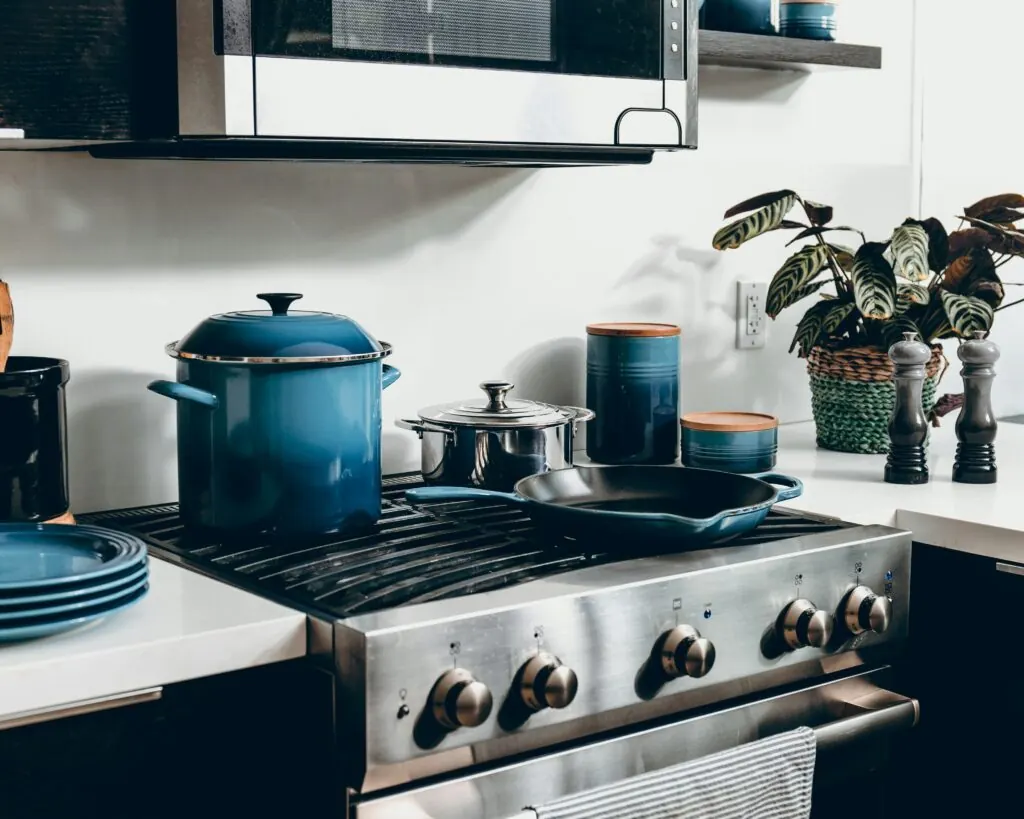
What Are Hot Pans?
Hot pans, commonly used in cooking, are essential kitchen utensils that come into direct contact with the cooking surface of kitchen worktops.
They play a crucial role in maintaining heat retention during the cooking process and are instrumental in achieving optimal cooking results. The choice of cooking surface, whether it's a non-stick pan, stainless steel, or cast iron, has a significant impact on the cooking experience.
Hot pans also protect the kitchen worktops by providing a barrier between the heat source and the surface. It is essential to handle them with care to prevent any damage to the worktops, ensuring that they continue to provide a practical and aesthetic function in the kitchen.
What is Quartz?
Quartz, a popular material for kitchen worktops, is known for its exceptional thermal conductivity and low maintenance requirements.
It possesses inherent heat resistance and durability, making it perfect for busy kitchen spaces. Its non-porous nature repels stains and prevents bacterial growth, ensuring easy cleaning and a hygienic environment. Quartz surfaces are also highly resistant to scratching and chipping, which is a vital feature for a high-traffic area like the kitchen. These properties, combined with its stylish appearance and wide range of colour options, make quartz an ideal choice for modern kitchen surfaces.
What is Granite?
Granite, a prevalent choice for kitchen worktops, is prized for its remarkable durability and striking appearance. It boasts a natural, elegant aesthetic, with unique veining and speckling that adds character to any kitchen space. Beyond its visual appeal, granite is remarkably resilient, resistant to scratches, heat, and stains, making it ideal for the high-traffic and demanding environment of a kitchen.
Its smooth and non-porous surface is easy to clean, and its durability ensures that it remains a long-term investment, enhancing both the functionality and beauty of any kitchen.
What Are the Differences Between Quartz and Granite?
Quartz and granite are two popular materials used for kitchen worktops, each offering distinct advantages in terms of durability, maintenance, and appearance.
Composition
The composition of quartz and granite differs significantly, impacting their suitability for use as kitchen worktops.
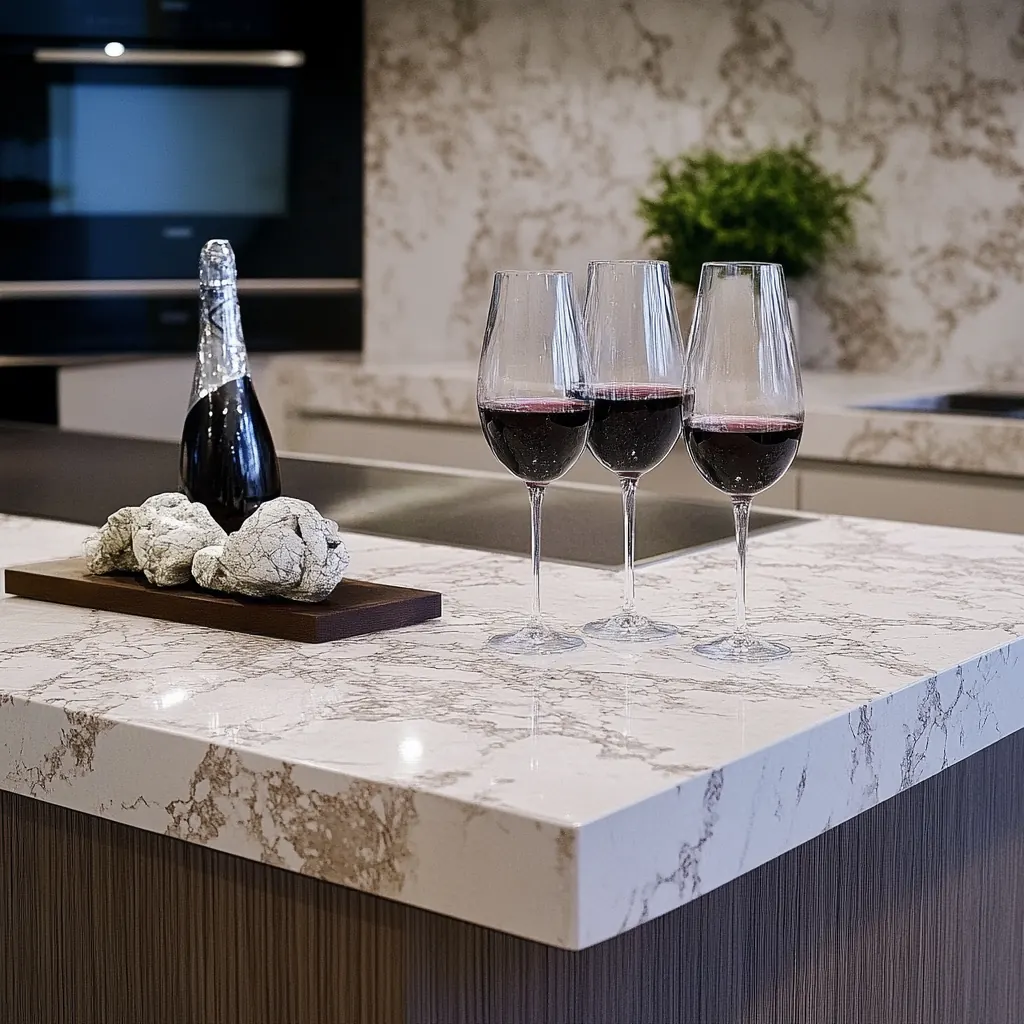
Quartz worktops are engineered using a blend of quartz particles and resins, resulting in a non-porous surface that is resistant to stains and scratches. On the other hand, granite worktops are entirely natural, comprising various minerals such as feldspar, quartz, and mica, making them uniquely patterned and heat-resistant. These distinct compositions contribute to the durability and maintenance requirements of each material when used in kitchen worktop applications.
Long-lasting quality
When it comes to durability, both quartz and granite offer resilient features that make them desirable choices for kitchen worktops.
These materials are known for their ability to withstand heat, scratches, and stains, making them ideal for high-traffic areas like the kitchen. Quartz is engineered to be non-porous, offering superior resistance to liquids and bacteria, while granite is naturally heat-resistant and less likely to chip or crack. Both options require minimal maintenance, simplifying the upkeep of your kitchen space.
Their durability not only ensures longevity but also adds value to the overall aesthetics of the kitchen.
Heat Resistance
The heat resistance of quartz and granite plays a crucial role in determining their performance when used with hot pans on kitchen worktops.
These natural stones are highly regarded for their ability to withstand high temperatures without sustaining damage, making them ideal options for kitchen surfaces. When hot pans are placed directly on quartz or granite worktops, the heat retention properties of these materials prevent them from warping or cracking, ensuring a durable and long-lasting kitchen environment. This heat resistance not only maintains the integrity of the worktops but also contributes to the overall cooking performance, providing a stable and reliable surface for food preparation.
Stain Resistance
Stain resistance is a key factor to consider when comparing the maintenance requirements of quartz and granite for kitchen worktops.
Quartz worktops offer high stain resistance due to their non-porous nature, making them less susceptible to absorbing spills or stains. This attribute makes quartz worktops relatively low maintenance, requiring only a simple wipe down with mild soap and water.
On the other hand, granite, while generally resistant to stains when properly sealed, may require more regular sealing to maintain its stain-resistant properties, adding a level of maintenance that should be considered when choosing between the two materials for kitchen worktop applications.
Maintenance
Maintenance considerations are essential in evaluating the suitability of quartz and granite for use in kitchen worktops.
It is vital to note that quartz worktops require little maintenance, as they are non-porous and resistant to stains. Regular cleaning with a mild soap and water is usually sufficient.
On the other hand, granite worktops, though durable, may require sealing to protect against liquid absorption. Since granite has a higher thermal conductivity than quartz, it is crucial to consider this factor when evaluating its maintenance needs in kitchen applications where heat resistance is important.

Which is Better for Hot Pans: Quartz or Granite?
Determining the better option for using hot pans between quartz and granite involves assessing their respective performance as a cooking surface.
While both quartz and granite are popular choices for kitchen worktops, they have distinctive differences when it comes to withstanding the impact of hot pans. Quartz, known for its durability and heat resistance, can tolerate moderate heat, making it an excellent option for busy cooking areas. Granite, on the other hand, has natural heat resistance and can withstand higher temperatures. It's essential to consider the impact of heat retention on these materials as it can affect the cooking performance and longevity of the worktop.
Heat Resistance of Quartz
The heat resistance of quartz is a critical factor to consider when evaluating its performance with hot pans and its impact on cooking surfaces.
This attribute not only affects the durability of the material but also its ability to retain heat. When quartz is used in kitchen surfaces, its heat resistance prevents damage from hot pans and helps in maintaining a consistent temperature for cooking. The natural ability of quartz to withstand high temperatures makes it a popular choice for kitchen worktops and cooking surfaces, providing a versatile and durable option for homeowners and chefs alike.
Heat Resistance of Granite
Assessing the heat resistance of granite provides insights into its suitability for use with hot pans and its effects on cooking performance.
When granite is exposed to high heat from hot pans, its ability to withstand temperature fluctuations and retain its structural integrity becomes crucial. Understanding how granite manages heat can also impact its durability and longevity as a kitchen surface material.
The heat retention properties of granite may influence the overall cooking experience, affecting factors such as even heat distribution and the preservation of food flavours and textures. Therefore, evaluating the heat resistance of granite is essential for homeowners and chefs looking to optimise their culinary workspaces.
Other Factors to Consider
In addition to heat resistance, several other factors such as durability and maintenance should be considered when determining the suitability of quartz and granite for using hot pans on kitchen countertops.
Both quartz and granite are popular choices for kitchen countertops. Quartz is engineered to be non-porous, making it resistant to stains and bacteria. On the other hand, granite is a natural stone that provides a unique look with its variation in colours and patterns.
When it comes to using hot pans, quartz has a slight edge due to its better thermal conductivity, which can handle heat more efficiently. Granite, although it may require sealing over time, is also a strong candidate for withstanding heat without sustaining damage.
What Are the Alternatives to Quartz and Granite for Hot Pans?
When considering alternatives to quartz and granite for using hot pans, ceramic, porcelain, stainless steel, and cast iron emerge as viable options with distinct properties and advantages.
Ceramic is known for its exceptional heat resistance, making it a suitable choice for withstanding high temperatures in the kitchen. Porcelain, with its durable and heat-resistant nature, is an elegant option that can handle the demands of hot pan usage.
Stainless steel, prized for its resilience and ease of maintenance, offers a sleek and modern look whilst being able to endure the heat. Meanwhile, cast iron provides unparalleled heat retention and distribution, making it ideal for searing and cooking at high temperatures.
Ceramic
Ceramic surfaces serve as excellent alternatives for using hot pans, offering notable heat resistance and durability for various cooking applications.
They are able to withstand high temperatures without cracking or discolouring, making them ideal for searing meats and achieving a perfectly caramelised crust. Their heat retention properties ensure even cooking and energy efficiency. The smooth, non-porous nature of ceramic surfaces also makes them easy to clean, further enhancing their appeal to home cooks and professional chefs alike. With their aesthetic appeal and practical benefits, ceramic surfaces are a top choice for culinary enthusiasts.
Porcelain
Porcelain surfaces present compelling options for using hot pans, characterised by their efficient thermal conductivity and low maintenance requirements.
Their ability to evenly distribute heat and retain it makes them ideal for cooking applications. Unlike other materials, porcelain surfaces are durable and resistant to scratches, stains, and chipping, making them suitable for busy kitchen environments. Their smooth, non-porous nature ensures that they are easy to clean and maintain, providing a hygienic and practical solution for culinary activities.
Stainless Steel
Stainless steel surfaces offer durable and versatile solutions for using hot pans, contributing to improved cooking performance and longevity.
The heat resistance of stainless steel allows for even distribution of heat, preventing cold spots or uneven cooking. This is vital for achieving precise and consistent results, especially when searing or sautéing. The metal's resilience against corrosion and stains ensures that the surfaces remain hygienic and easy to maintain, providing chefs and home cooks with a reliable and efficient cooking environment.
The versatility of stainless steel surfaces allows for seamless transitions between different types of cooking techniques, making it a valuable addition to any kitchen.
Cast Iron
Cast iron surfaces stand out as traditional yet effective options for using hot pans, renowned for their exceptional heat retention and seasoning capabilities.
This unique material holds heat evenly, making it perfect for searing meats or creating a beautifully caramelised crust on dishes. The process of seasoning cast iron enhances its non-stick qualities, providing a natural, chemical-free alternative to modern non-stick coatings. Its versatility allows for use on various cooking surfaces, including hobs, ovens, and even open flames, making it a versatile choice for any cooking method.
Frequently Asked Questions
1. Are hot pans better on quartz or granite?
Both quartz and granite are durable and heat resistant materials, but there are some key differences to consider when it comes to using hot pans.
2. Can I put a hot pan directly on quartz?
Yes, quartz is known for its heat resistance and can withstand high temperatures without being damaged. However, it is always recommended to use a trivet or hot pad to protect the surface and maintain its appearance.
3. Is it safe to put hot pans on granite?
Yes, granite is also heat resistant and can handle hot pans without any issues. However, it is important to note that prolonged exposure to extreme heat can cause damage to the sealant on the surface.
4. Which material is more likely to crack from hot pans?
While both quartz and granite are heat resistant, quartz is more likely to crack or chip from direct heat. This is because quartz is made with resin, which can melt or warp under high temperatures. Granite, on the other hand, is a natural stone and less prone to damage from heat.
5. Can I use a hot pad on quartz or granite?
Yes, using a hot pad or trivet is always recommended on both quartz and granite to protect the surface and maintain its appearance. It is important to avoid placing hot pans directly on the surface for extended periods of time.
6. Will hot pans leave marks on quartz or granite?
No, both quartz and granite are non-porous materials and are resistant to staining and marking. However, it is still important to use caution and avoid placing hot pans directly on the surface to prevent any potential damage.