
How often should you seal granite worktops
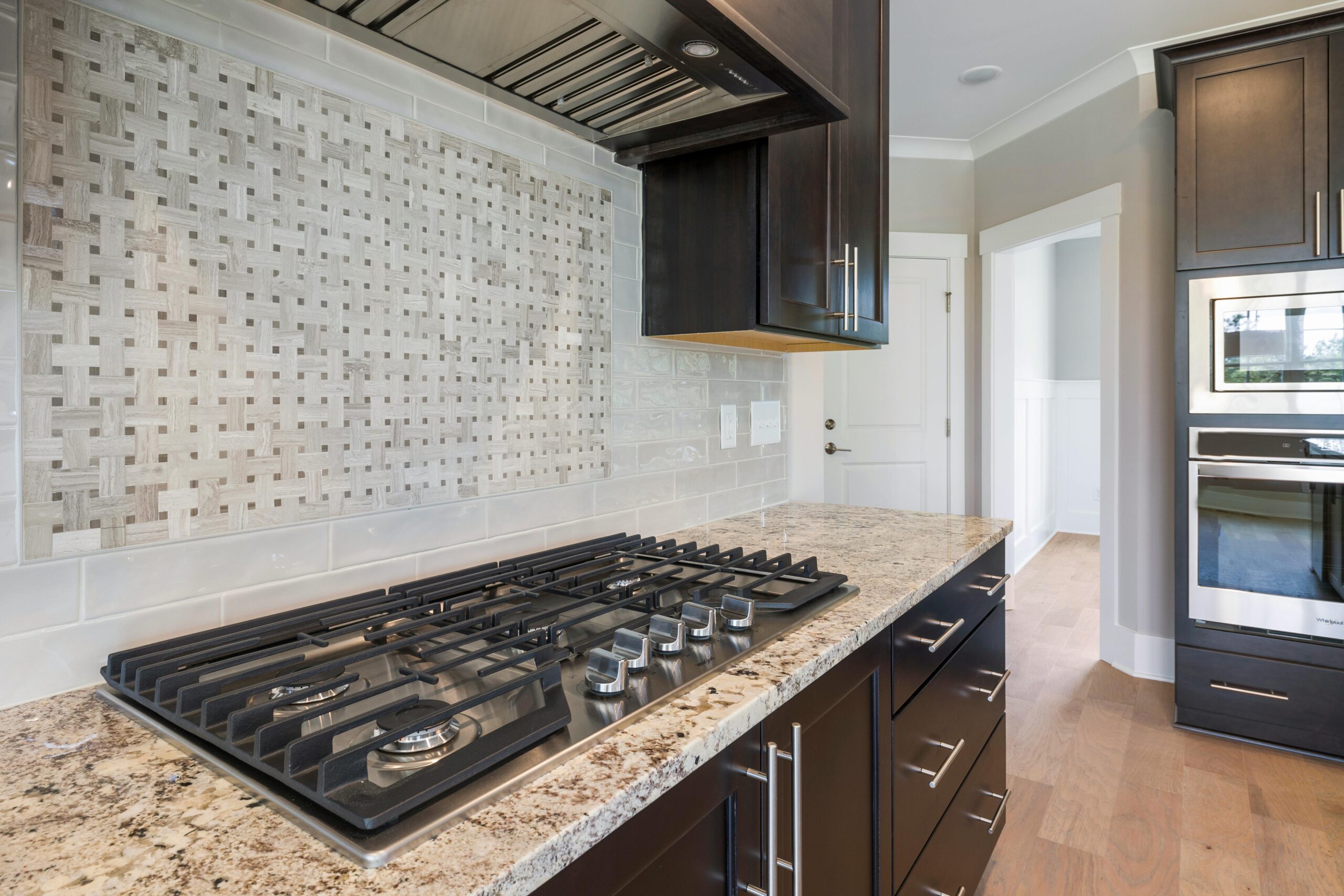
This article provides information on maintaining granite worktops, the significance of sealing them, the characteristics of granite, its usage for worktops, and the advantages of granite worktops.
It discusses factors to consider when sealing granite worktops, the process of sealing them, and maintenance tips.
The article also addresses how to determine if granite worktops require resealing and how to effectively reseal them.
Valuable insights and guidance on the upkeep of granite worktops are included in the article.

Understanding Granite Worktops
To understand Granite Worktops, one must have knowledge of how to care for and maintain them in order to ensure the longevity and beauty of these durable stone surfaces. Granite worktops are renowned for their natural beauty, resilience, and resistance to heat and scratches. Proper maintenance is crucial to preserve their appearance and extend their lifespan. It is recommended to regularly clean granite countertops with mild soap and water to sustain their appearance, as harsh chemicals and abrasive cleaners can lead to surface damage. Regularly sealing the granite is advised as it offers a protective layer against stains and prevents moisture from seeping into the surface. Promptly wiping up spills and using coasters for glasses can help prevent etching. By following regular care routines, you can ensure that your granite worktop maintains its timeless beauty for years to come.
What is Granite and How is it Used for Worktops?
Granite is a hard, durable, and versatile natural stone that is commonly utilised for worktops and various surfaces due to its unique properties. Comprising mainly quartz, feldspar, and mica, granite offers a robust and stable material with an elegant aesthetic. The interlocking crystals within granite contribute to its distinctive speckled appearance, offering a wide array of colours, patterns, and textures ranging from subtle to pronounced.
Granite worktops are popular in both domestic and commercial settings for their heat resistance, scratch resistance, and easy maintenance in high-traffic areas. Thanks to its chemical composition and crystalline structure, granite is highly resistant to acids, alkalis, and other chemicals. Within homes, granite worktops are favoured for kitchens and bathrooms, enhancing value and luxury while providing a long-lasting and visually appealing surface.
Beyond worktops, granite is also utilised for splashbacks, bathroom units, and even flooring.
Importance of Sealing Granite Worktops
The importance of sealing granite worktops cannot be overstated, as proper sealing helps protect against stains, etching, and other forms of damage, preserving the natural beauty of the stone.
Applying a stone sealant regularly creates a protective barrier that prevents liquids from penetrating the porous surface of the granite. This barrier not only shields the worktop against stains from spills but also facilitates easier cleaning and maintenance.
Sealing granite worktops also helps minimise the likelihood of scratches and chips, ultimately prolonging the life of your kitchen surfaces. By adhering to a regular sealing regimen, you can enjoy the longevity and durability of your granite worktops while maintaining their pristine appearance for years to come.
Benefits of Sealing and Risks of Not Sealing
Sealing granite worktops offers benefits such as scratch, stain, and etching protection, enhancing the durability of these stone surfaces. Sealed granite worktops retain their appearance and are visually appealing. The protective layer created by sealing helps preserve the natural beauty and shine of the stone, simplifying cleaning and maintenance.
Unsealed granite surfaces are susceptible to liquid absorption, resulting in stubborn stains that are challenging to eliminate. Without sealing, the risk of scratches and etching rises, diminishing the quality and aesthetic appeal of the stone.
Factors to Consider for Sealing Frequency
The Sealing Frequency for granite worktops is influenced by the type of granite, frequency of usage, and environmental factors, such as humidity and the amount of UV light exposure. The type of granite is one of the most important factors in determining the Sealing Frequency, as porous granites are more easily damaged and thus more frequently in need of re-sealing than denser granite.
Usage frequency is another key factor. Worktops that experience heavy usage and are frequently spilt on may need re-sealing more often. Environmental factors including the amount of UV light and humidity that the granite is exposed to are also important. Granite worktops located near windows that receive direct sunlight or are near a cooking area that has high humidity levels may need to be sealed more frequently.
By considering all of these factors together, homeowners should be able to develop a personalised schedule for the frequency with which their granite worktops need to be sealed.
Type of Granite and Usage Frequency
The type of granite and the frequency of usage are the most important factors in determining the appropriate care and maintenance protocols for protecting the surface and ensuring a long lifespan. Granite surfaces with higher porosity require more frequent sealing to prevent liquid absorption, while denser varieties may need periodic polishing to maintain their shine. Exposure to heat, acidic substances, and heavy objects can affect the wear and tear of the granite.
Regular cleaning with a mild soap and warm water is crucial for all types of granite to prevent staining and etching. Understanding the unique characteristics of the specific granite used in your space will help you establish an effective care routine. Neglecting proper maintenance over time can result in irreversible damage, highlighting the significance of good maintenance practices.
Climate and Environmental Factors
Climate and environmental factors impact the care of granite surfaces by influencing the maintenance products and routines needed to effectively preserve and protect the stone. The maintenance requirements of granite worktops vary depending on the climate and environmental conditions.
For instance, regions with high humidity levels may necessitate more frequent sealing to shield the surface from moisture damage, whereas regions with extreme temperature fluctuations could result in stone expansion and contraction, potentially leading to cracks or damage. Therefore, it is crucial to utilise specially formulated stone care products that provide protection against UV radiation, heat, and water infiltration.
Regular cleaning with pH-neutral cleaners and avoiding harsh chemicals can also help prolong the lifespan of granite surfaces.
How to Seal Granite Worktops
The process of sealing granite worktops involves selecting the right sealant, applying it effectively, and following a systematic approach to ensure thorough protection. It is crucial to start by choosing a high-quality granite sealer specifically designed for natural stone surfaces to avoid any negative chemical reactions with the granite. Opt for a long-lasting sealant that provides protection against stains, water damage, and heat marks. Before applying the sealer, ensure that the granite worktop is clean and completely dry, as this significantly enhances the effectiveness of the sealer. Follow the manufacturer’s instructions for applying the sealant, which may include using a clean, lint-free cloth or brush. Apply the sealant in small sections to ensure even coverage and allow it to penetrate the stone effectively. Properly sealed granite worktops not only enhance their appearance but also increase durability and maintain their natural properties effectively.
Step-by-Step Guide to Sealing
- A Step-by-Step Guide to Sealing Granite Worktops ensures that the surfaces are effectively protected against scratches, stains, and other damages.
- By following the process step by step, you can seal granite countertops safely and efficiently.
- Begin by thoroughly cleaning the granite worktops with a mild pH-neutral cleanser and warm water to remove all dirt and residues.
- Once the surface is clean and dry, carefully apply a high-quality granite sealant using a clean cloth or sponge, ensuring even coverage across the entire surface.
- Allow the sealant to soak into the stone for the specified time recommended by the product manufacturer.
- Repeat this sealing procedure every 6 to 12 months to uphold the protective barrier and maintain the natural beauty of the granite worktops.
Maintaining Sealed Granite Worktops
To ensure the longevity, shine, and protection of sealed granite worktops, it is essential to follow a regular care regimen.
Regular cleaning: Sealed granite worktops should be cleaned frequently using a mild, pH-neutral cleaner and a soft cloth or sponge. Avoid harsh chemicals or abrasive tools as they can harm the sealant and the stone’s surface.
Prevention of stains: Place coasters under glasses and dishes, and promptly clean up spills.
Resealing: Maintain the protective layer of the granite by resealing it every 1-2 years.
Preventive measures: Always use cutting boards while cooking and refrain from placing hot pots directly on the surface to prevent scratches and other damage.
Tips for Long-Term Maintenance
Maintaining sealed granite worktops effectively for the long term involves following a comprehensive care guide to preserve the appearance of the stone surfaces and ensure their durability over the years. This includes the following steps:
- Regular Cleaning – To keep granite worktops free from daily grime and spills without compromising the sealant, it is important to clean them regularly using mild dish soap and water. Avoid using harsh chemicals or abrasive cleaners that could damage the sealant.
- Protection – Placing coasters under glasses and using trivets under hot pots and pans can help prevent scratches and potential heat damage from direct contact with hot items.
- Resealing – Reapplying sealant to granite worktops every one to two years is essential for continuous protection against stains and moisture infiltration, thereby preserving their appearance.
Signs that Your Granite Worktops Need to be Resealed
One way to ensure the ongoing care and protection of your stone surfaces is by recognizing the signs that indicate your granite worktops need to be resealed. An increased water absorption rate is one of the most common signs that the sealant may need to be reapplied. If water no longer beads up on the surface but instead gets absorbed, it suggests that the sealant is wearing down.
Another indication is the loss of the natural shine or a dull appearance of the granite worktops. To reapply the sealant, ensure that the surface is thoroughly cleaned and completely dried before applying a suitable stone sealant following the manufacturer’s instructions.
Identifying When to Reseal and How to Do It
Ensuring the proper protection of granite worktops and maintaining the durability of the sealant require understanding the significance of when to reseal and following the correct resealing procedure.
Regular assessment of the sealant’s effectiveness is crucial in determining the need for resealing. A simple water test can be conducted by sprinkling water on the surface – if the water forms beads, the sealant is still effective; if it absorbs, reapplication is needed.
According to “How to Seal Granite Countertops,” it is generally recommended to reseal granite worktops every 1 to 3 years based on usage. To maintain the sealant, it is important to use pH-neutral cleaners to prevent damage. Spills should be promptly cleaned up to prevent staining.
Frequently Asked Questions
How often should you seal granite worktops?
It is recommended to seal granite worktops every 1-3 years, depending on usage and exposure to liquids.
What happens if you do not seal granite worktops?
If granite worktops are not sealed, they can become susceptible to stains and bacteria growth, leading to potential damage and discoloration.
How can you tell if your granite worktops need to be sealed?
A simple water test can determine if your granite worktops need to be sealed. If water droplets are quickly absorbed, then it is time to reseal. If the water beads up, then the seal is still effective.
Can you over-seal granite worktops?
Yes, over-sealing granite worktops can cause them to appear dull and cloudy. It is important to follow the recommended sealing schedule and use the appropriate amount of sealant.
Do all types of granite worktops require sealing?
Yes, all types of granite worktops should be sealed to protect them from staining and damage. This includes polished, honed, and textured finishes.
What is the best type of sealant to use for granite worktops?
Silicone-based sealants are recommended for sealing granite worktops as they provide a strong barrier against liquids and stains, while also allowing the stone to breathe and maintain its natural appearance.