
What is the downside to granite countertops

Granite countertops are a popular choice for homeowners due to their durability, natural beauty, and ability to add value to a kitchen. There are downsides to consider when choosing granite for your countertops. In this article, we will explore the benefits and downsides of granite countertops, including its potential drawbacks such as expense, maintenance requirements, susceptibility to damage, and limited color options.
We will discuss how to maintain granite countertops and explore alternative options for those seeking a different material for their kitchen surfaces. Whether you are considering installing granite countertops or exploring alternative options, this comprehensive guide will provide you with valuable insights to make an informed decision for your kitchen renovation.

What Are Granite Countertops?
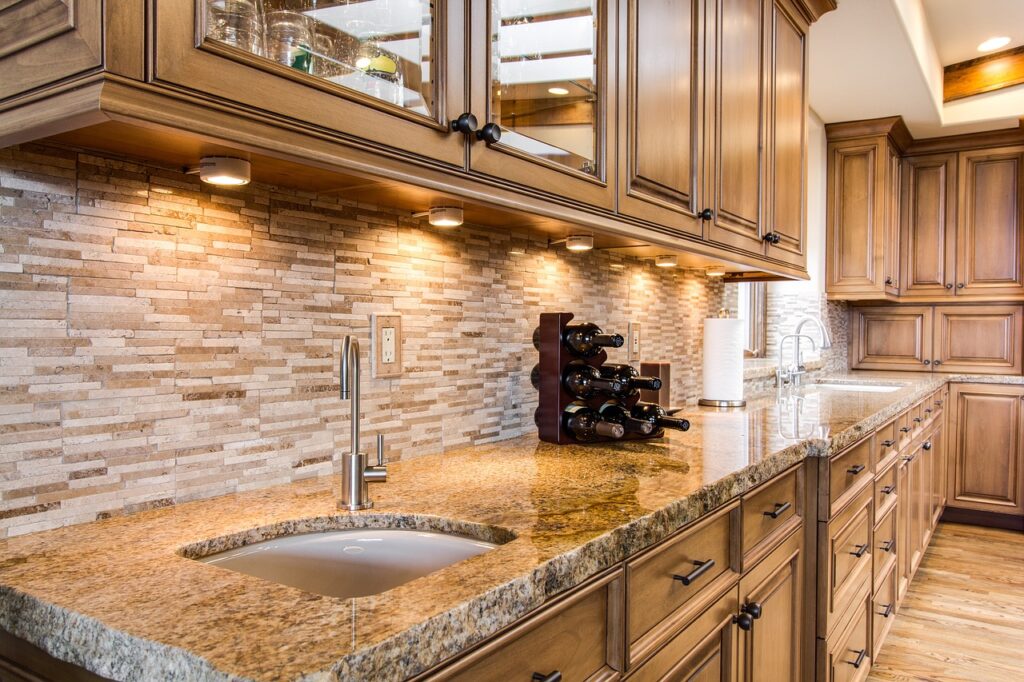
Granite worktops are natural stone surfaces that provide a luxurious and elegant aesthetic to kitchens and bathrooms, enhancing the overall design and style of the space with their unique patterns and textures.
The composition of granite worktops consists of interlocking mineral crystals, primarily quartz, and feldspar, giving them exceptional durability and resistance to heat and scratches. Their natural stone origin ensures that each slab boasts a distinct combination of colours and veining, adding a one-of-a-kind, organic charm to any interior. Their low maintenance requirements make them a popular choice for homeowners seeking both aesthetics and practicality in their kitchens and bathrooms.
What Are the Benefits of Granite Countertops?
Granite worktops offer a range of benefits, including exceptional durability, high heat resistance, and stunning aesthetics, making them a desirable choice for both practicality and visual appeal in residential and commercial settings.
Their durability ensures a long-lasting investment, as they are resistant to scratches, stains, and wear, requiring minimal maintenance. Their ability to withstand high temperatures without damage makes them perfect for kitchen surfaces.
From a design perspective, granite’s natural colour variations and striking patterns add a touch of elegance and sophistication to any space, making it easy to integrate with various interior styles for a timeless and stylish look.
What Are the Downsides of Granite Countertops?
Whilst granite worktops possess numerous benefits, it’s important to acknowledge their drawbacks, such as maintenance requirements, susceptibility to stains and cracks, the necessity of regular sealing, and potential challenges related to bacteria and hygiene.
These worktops can require regular maintenance, including sealing and periodic resealing, to ensure they maintain their appearance and functionality. Granite’s porous nature can make it susceptible to staining from acidic substances and oils, which can be difficult to remove. There are also concerns about the potential for cracks over time, which may necessitate costly repairs.
The presence of tiny crevices in granite can harbour bacteria if not properly cleaned, presenting hygiene considerations. For conscientious consumers, the environmental impact of granite mining and its high cost compared to other worktop options are also important factors to consider.
Costly
One of the significant downsides of granite worktops is their high cost, which may lead individuals to explore more cost-effective alternatives for their worktop needs.
For homeowners and businesses, the initial investment in granite worktops can be substantial due to the high cost of the material itself and the installation process. Granite is a heavy material, which might require additional support or reinforcement for the cabinetry, increasing the overall cost. Any potential repairs or maintenance of granite worktops can contribute to the long-term financial implications.
Those considering alternatives should weigh the costs of materials, installation, and long-term maintenance to make an informed decision.
Requires Sealing
Granite worktops require regular sealing to maintain their integrity and protect them from potential damage, adding an ongoing maintenance aspect that may pose a drawback for some individuals.
This maintenance ensures the durability of the granite, preventing moisture and other substances from seeping in and causing cracks. Environmental factors such as exposure to sunlight and humidity can also impact the need for sealing.
The upkeep of sealed granite worktops involves cleaning with specific products to prevent degradation of the sealant. Understanding the sealing process and its implications is crucial for homeowners to make informed decisions about the long-term maintenance of their granite worktops.
Can Be Easily Scratched or Chipped
Despite their durability, granite worktops can be vulnerable to scratches and chips, which may necessitate repair and maintenance to restore their pristine appearance and structural integrity.
This susceptibility to damage can be a drawback for those seeking a low-maintenance option. With proper care and maintenance, the heat resistance of granite worktops can offer a durable and long-lasting solution. In case of scratches or chips, professional repair and restoration services are available to address these issues and ensure the worktop’s longevity. Homeowners also have the option to consider sealing the granite surface to enhance its resistance to scratches and maintain its overall durability.
Limited Colour Options
Granite worktops may present a limitation in terms of colour options, which can impact the overall aesthetic choices for interior design, prompting individuals to explore alternative materials with a wider range of colours and styles.
This constraint has led people to consider other materials like quartz, marble, or engineered stone, offering an array of colour options to complement diverse design preferences. Beyond aesthetics, the environmental impact of granite extraction has also pushed designers and homeowners towards eco-friendly options like recycled glass or sustainable wood worktops, promoting both style and sustainability in modern interior design.
Heavy and Difficult to Install
The considerable weight and installation challenges associated with granite worktops can pose logistical difficulties and increase the complexity of the installation process, influencing individuals to consider alternative worktop materials that are more manageable. This can be attributed to the fact that granite is a dense and heavy material, which can make handling and transportation more laborious and costly. The installation process often requires specialised equipment and experienced professionals, adding to the overall cost. Design considerations, such as the need for sturdy support structures and careful alignment, further contribute to the complexity of installation. Despite its durability and aesthetic appeal, these practical challenges may lead homeowners to weigh the cost and convenience of alternative worktop materials.
Can Be Heat Damaged
Despite their heat resistance, granite worktops can still be susceptible to heat damage under certain conditions, requiring careful usage to avoid potential drawbacks and structural issues. For instance, prolonged exposure to high temperatures, such as placing hot pots and pans directly on the surface, can lead to discolouration, cracking, or even weakening of the sealant. These vulnerabilities highlight the importance of using trivets or heat-resistant pads to protect the granite surface.
Regular sealing of the worktops is crucial to prevent stains and maintain their heat resistance. Understanding these nuances can help homeowners make informed decisions about the durability and maintenance of their granite worktops in kitchen environments.
How can you maintain granite countertops?
Maintaining granite worktops involves regular sealing to protect against stains and cracks, prompt cleaning of spills, and adherence to proper hygiene practices to ensure the longevity and pristine condition of the surfaces.
Sealing granite worktops every 1-3 years is crucial as it preserves the stone’s durability and natural beauty. In addition, wiping spills immediately with a soft cloth and mild soap prevents the formation of bacteria and avoids potential staining.
Considering the aesthetics, it’s essential to use pH-neutral cleaners, as acidic or abrasive products can harm the granite’s appearance. By incorporating these maintenance practices, granite worktops can maintain their elegance and functionality for years to come.
Ensure the countertops are sealed regularly.
Regularly sealing granite worktops is essential to preserve their durability and protect them from potential damage caused by stains and other environmental factors, ensuring their long-term resilience and aesthetic appeal.
By sealing the surface, it forms a protective barrier that guards against liquid penetration and minimises the risk of staining. This process also enhances the heat resistance of granite worktops, making them more tolerant to hot cookware and minimising the likelihood of thermal shock or cracks. Sealing aids in preventing the growth of bacteria, ensuring a clean and hygienic food preparation area.
Neglecting regular sealing can lead to drawbacks such as:
- Increased susceptibility to staining
- Reduced heat resistance
- A higher risk of bacterial contamination
Ultimately, this can lead to higher maintenance needs and potential costly repairs.
Use Cutting Boards and Trivets
Using chopping boards and trivets on granite worktops is essential to prevent potential bacterial contamination, stains, and scratches, promoting a hygienic and well-maintained surface for food preparation and daily use.
This preventative measure is especially important as granite is a porous material susceptible to liquid and food particles seeping into its surface, leading to bacterial growth. The use of chopping boards and trivets helps in preserving the durability and sealing of granite worktops, preventing cracks and damage that may compromise the hygiene of the surface.
By incorporating these simple practices, you can ensure that your granite worktops remain both aesthetically pleasing and hygienic for years to come.
Tidy up spills right away
Promptly cleaning spills on granite worktops is essential to prevent the formation of stains and maintain the durability and aesthetic appeal of the surfaces, ensuring their pristine condition over time.
To avoid potential damage from acidic or abrasive substances, immediate cleaning is crucial, as these can penetrate the porous surface of unsealed granite. Regularly sealing the worktops provides an additional barrier against stains and bacteria, prolonging their lifespan.
If spills occur, using mild washing-up liquid and warm water for cleaning is preferable to harsh chemical cleaners to preserve the natural finish of the granite. Following these measures will ensure that your granite worktops remain beautiful and resilient for years to come.
Avoid Harsh Chemicals and Abrasive Cleaners
Avoiding strong chemicals and abrasive cleaners during the maintenance of granite worktops is essential to maintain their cleanliness and prevent potential bacterial contamination, ensuring a safe and well-maintained surface for everyday use.
These strong chemicals erode the protective seal of the granite, making it more susceptible to cracks and damage. By using milder cleaners, you not only maintain the cleanliness and durability of the surface but also ensure a longer lifespan for the worktop. This approach not only protects against bacterial growth but also maintains the aesthetic appeal of the granite, making it a wise investment for any kitchen or bathroom.
Please use hot pads or trivets for hot items.
Using hot pads or trivets for hot items on granite worktops is essential to prevent any potential heat-related damage and maintain the surfaces’ durability and pristine condition, ensuring their long-term resilience.
Hot items such as pots, pans, and dishes straight from the hob or oven can cause thermal shock to the granite, leading to cracks or discolouration. Placing hot items directly on the surface can potentially weaken the sealant, making the worktop more susceptible to stains and damage. Therefore, using heat-resistant pads or trivets acts as a protective barrier, preserving the beauty and integrity of the granite for years to come. Remembering to take this simple precaution can significantly extend the life and aesthetics of your granite worktops.
What Are the Alternatives to Granite Countertops?
Several alternatives to granite worktops exist, including quartz, solid surface, laminate, and butcher block options, each offering distinct advantages and design possibilities whilst considering the environmental impact of the materials.
Quartz worktops, for example, provide similar durability to granite but with a wider range of colours and patterns. They are also non-porous, making them resistant to stains and scratches.
Solid surface materials offer seamless installation and can be easily repaired if damaged. Laminate worktops are a cost-effective option with a variety of styles, although they are not as heat resistant as other materials.
Butcher block provides a warm, natural look and is eco-friendly, but it requires regular maintenance to keep it in top condition.
Quartz Countertops
Quartz worktops represent a popular alternative to granite, offering diverse design options, exceptional style, and aesthetic appeal that cater to various interior design preferences and functional requirements.
They are known for their versatility, as they come in a wide range of colours and patterns, from sleek modern designs to more traditional looks. Quartz worktops are highly durable, resistant to scratches and stains, making them a practical choice for busy kitchens. Their low maintenance requirements and long-lasting quality make them a cost-effective investment compared to granite worktops.
Solid Surface Countertops
Solid surface worktops offer an alternative to granite with minimal maintenance requirements, versatile design options, and seamless integration capabilities, providing an attractive and functional choice for various design preferences.
This alternative to granite offers practical benefits, such as being non-porous, which makes it resistant to stains and bacteria, unlike granite that requires regular sealing. Solid surface worktops offer a wide range of design possibilities, including integrated sinks and seamless splashbacks, which may be limited with traditional granite worktops. Solid surfaces are more cost-effective than granite, making them an affordable yet elegant choice for homeowners.
Whilst solid surfaces are heat-resistant, they may be more susceptible to scratches and dents compared to durable granite.
Laminate Countertops
Laminate worktops present a cost-effective alternative to granite, offering a wide range of design choices, colour options, and affordability, catering to budget-conscious individuals seeking versatile and visually appealing worktop solutions.
They are an attractive option for those looking to achieve the look of natural stone without the high cost. With advancements in technology, laminate worktops now mimic the aesthetics of granite, making them an appealing choice for various design preferences.
Laminate worktops require minimal maintenance, making them a practical and convenient choice for busy households. Not only are they budget-friendly, but they also have a lower environmental impact compared to granite, offering a sustainable option for homeowners.
Butcher Block Countertops
Butcher block worktops offer a distinctive alternative to granite, incorporating natural wood aesthetics, warm tones, and unique maintenance requirements, providing a charming and functional choice for rustic and traditional design themes.
Their visual appeal lies in the warmth and character of the wood grains, creating a cosy and inviting ambiance in kitchens and dining spaces. While granite exudes elegance, butcher block worktops add a touch of organic charm, complementing a farmhouse or cottage-style interior. Despite requiring regular oiling and sealing, their durability and resistance to heat make them a sustainable and practical choice.
In terms of environmental impact, wood worktops are renewable and eco-friendly, making them a greener option compared to granite.
Frequently Asked Questions
What is the downside to granite countertops?
One potential downside to granite countertops is that they can be quite expensive. The cost of the material, as well as installation, can add up quickly and may not be feasible for all budgets.
Are granite countertops prone to cracking or chipping?
While granite is a durable material, it is not completely immune to damage. If heavy objects are dropped on the countertop or if it is not properly maintained, it can crack or chip. However, with proper care, this is not a common issue.
Do granite countertops require a lot of maintenance?
Granite is a porous material, which means it has small holes that can absorb liquids and stains. This means it may require more maintenance than other countertop materials, such as quartz, in terms of sealing and cleaning.
Can granite countertops be repaired if they are damaged?
In most cases, granite countertops can be repaired if they are damaged. A professional can fill in cracks or chips with a color-matching epoxy, making the damage virtually unnoticeable. However, this may not always be possible depending on the severity of the damage.
Are granite countertops heat resistant?
Yes, granite is known for being heat resistant and can withstand hot pots and pans without being damaged. However, it is always recommended to use trivets or hot pads to protect the surface and prevent any potential damage.
What are some alternatives to granite countertops?
If the potential downsides of granite countertops are a concern, there are other options available. Quartz, marble, and soapstone are all popular alternatives that offer similar aesthetics and durability. It is always best to research and compare different materials to find the best fit for your needs.