
How often do you need to seal granite kitchen worktops

Granite kitchen worktops are a popular choice for homeowners due to their durability, timeless beauty, and resistance to scratches and heat. To maintain their pristine appearance and ensure their longevity, it is crucial to seal them regularly.
In this comprehensive guide, we will delve into the world of granite kitchen worktops, exploring the different types of sealers available, the frequency of sealing, the necessary steps for sealing, and essential maintenance tips. By the end of this article, you will have a clear understanding of the importance of sealing granite worktops and the best practices for keeping them in top condition. So, let’s explore the ins and outs of sealing granite kitchen worktops to ensure they remain a stunning focal point in your home for years to come.
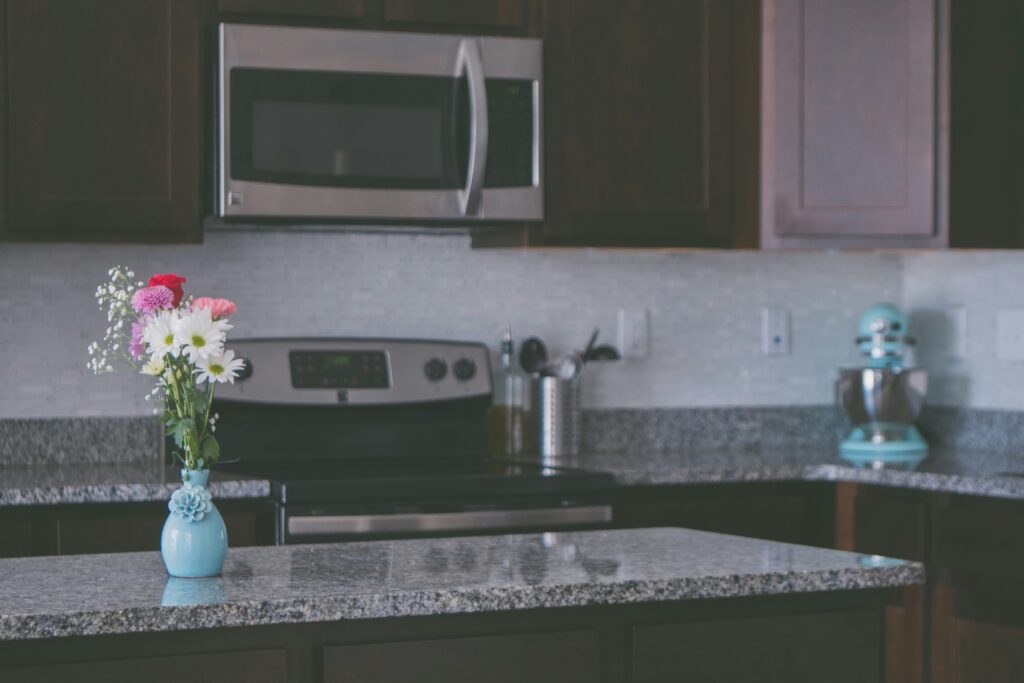
What are granite kitchen worktops?
Granite kitchen worktops are exquisite installations crafted from natural stone, renowned for their remarkable durability and captivating surface aesthetics.
The longevity of granite worktops is unmatched, making them a smart investment for any kitchen. Their natural stone composition adds a touch of elegance and timelessness to the space. The surface treatment of granite ensures resistance to heat, scratches, and stains, requiring minimal maintenance. Their diverse range of colours and patterns allows for seamless integration into various kitchen designs, providing both functionality and visual appeal.
Why Do You Need to Seal Granite Kitchen Worktops?
Sealing granite kitchen worktops is essential to provide protection and care for these valuable installations, safeguarding their natural beauty and ensuring longevity.
This protective barrier is crucial in preventing liquids and food spills from seeping into the porous surface, reducing the risk of staining and etching. Implementing a regular maintenance routine, including wiping up spills promptly and using mild, pH-balanced cleansers, will complement the sealing process and preserve the granite’s aesthetic appeal. By sealing the worktops at the recommended frequency, typically every 6-12 months, homeowners can rest assured that their investment is well-maintained, elevating the functionality and visual allure of their kitchen space.
What are the different types of sealers for granite kitchen worktops?
Several types of sealers are available for granite kitchen worktops, each designed for specific application methods and product characteristics to ensure optimal protection and maintenance.
They provide a crucial barrier against moisture, oil, and stains, preserving the natural beauty of granite surfaces. Some sealers are water-based and penetrate deep into the stone, offering long-lasting protection, while others are solvent-based and create a protective layer on the surface. Understanding the sealing techniques and methods helps homeowners make informed decisions when choosing the right sealer for their granite worktops.
Professional sealing advice ensures that the maintenance routine aligns with the specific needs of the granite, keeping it looking pristine for years to come.
Penetrating Sealers
Penetrative sealers for granite worktops are designed to infiltrate the stone, forming a protective barrier that minimises absorption and shields against spills and stains.
This process not only enhances the natural beauty of the granite but also significantly reduces its maintenance requirements. By blocking the pores and capillaries within the stone, these sealers prolong the lifespan of the granite, making it more resistant to wear, scratches, and harsh cleaning chemicals.
The application of a penetrative sealer can extend the sealing intervals, providing long-lasting protection without frequent reapplication. The choice of sealing material is crucial in ensuring effective and durable safeguarding of granite worktops, making it imperative to select a high-quality sealer suitable for the specific type of granite surface.
Topical Sealers
Topical sealers are applied directly to the surface of granite worktops, creating a protective layer that repels spills and simplifies maintenance, ensuring the longevity and beauty of the worktops.
They play a crucial role in preserving the aesthetic appeal of the granite while also simplifying the maintenance regime. It’s essential to incorporate sealing applications into your regular maintenance plan to ensure that your granite worktops remain resistant to stains and spills.
By preventing liquids from penetrating the surface, topical sealers contribute to the longevity of your worktops, making them easier to clean and maintain over time.
Impregnating Sealers
Impregnating sealers offer the versatility of professional application or DIY usage, effectively penetrating the granite surface to provide long-lasting protection against water, oil and liquid stains.
These sealers are known for their flexibility in application, making them suitable for homeowners looking for a DIY project or for professionals seeking to enhance their clients’ granite surfaces. Their efficacy in safeguarding granite worktops against various stains makes them a popular choice.
While professional application ensures thorough coverage, DIY usage also yields effective results when following proper maintenance guidelines. Understanding the sealing frequency and maintaining the surface accordingly is crucial for ensuring the lasting protection of granite worktops.
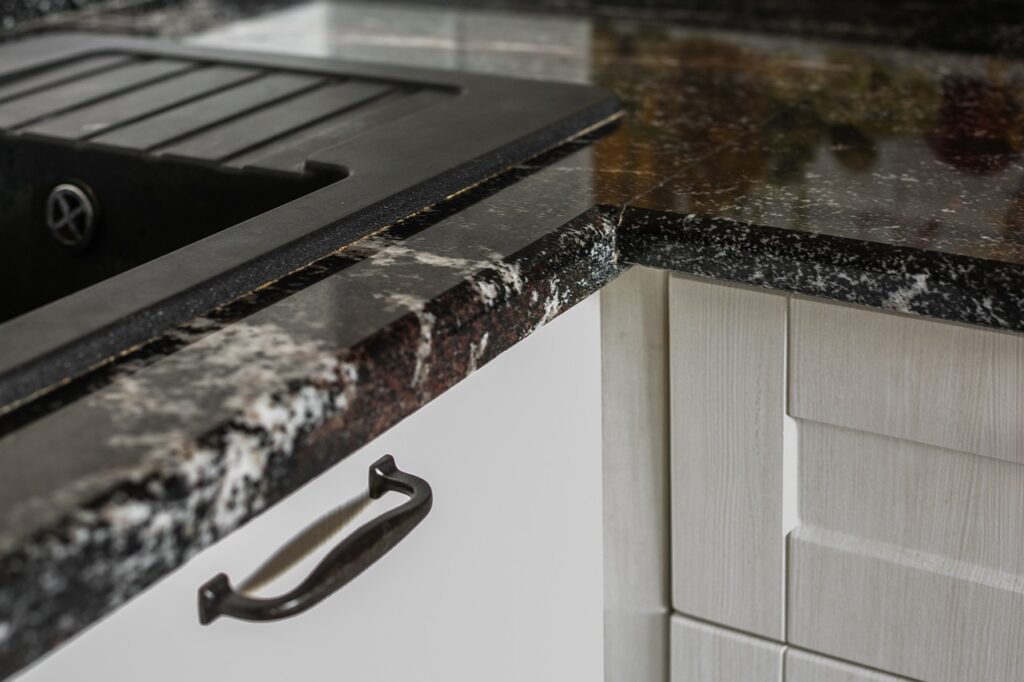
How frequently should you seal granite kitchen worktops?
The frequency of sealing granite kitchen worktops depends on various factors, including the surface condition, usage patterns, and the need for resealing to uphold the protective barrier.
The surface condition plays a crucial role in determining the sealing frequency. A well-maintained, regularly cleaned granite worktop may need less frequent resealing compared to a heavily used one. It is essential to adhere to the recommended maintenance schedule provided by the manufacturer to ensure the optimal protective layer. Following sealing guidelines such as using the right products and techniques further contributes to the longevity of the protective seal.
Factors That Affect the Frequency of Sealing
Several factors influence the frequency of sealing for granite, including maintenance routines, exposure to spills, and the overall care and protection provided to the worktops.
It is important to have a well-planned maintenance plan in place to ensure the longevity of the granite surfaces. Regular cleaning and proper use of sealing products can significantly impact the maintenance intervals. Spills and stains should be promptly cleaned to prevent any potential damage to the granite.
Investing in high-quality sealing products and following manufacturer’s recommendations can enhance the durability and resistance of the granite worktops.
Signs That Indicate the Need for Resealing
Identifying signs such as increased absorption of spills or the persistence of stains can indicate the necessity for resealing granite worktops to restore their protective capabilities and preserve their pristine appearance.
This is especially important as spills and stains can compromise the protective properties of the sealed surface, making the granite more susceptible to damage over time. Following the recommended guidelines for resealing and proper care is essential in maintaining the longevity of the worktops. Regular inspection and proactive resealing when needed can greatly extend the life and beauty of the granite worktops, ensuring they remain a stunning and functional feature in any kitchen or bathroom.
What Are the Steps to Seal Granite Kitchen Worktops?
The process of sealing granite kitchen worktops involves essential steps such as thorough cleaning and meticulous preparation of the surface to ensure optimal adherence and efficacy of the sealant application.
After the granite worktops are thoroughly cleaned, it’s important to inspect the surface for any stains or residues that may hinder the effectiveness of the sealant. Any remaining dirt or grease should be removed using a suitable cleaner and a soft cloth.
Once the surface is clean and dry, the sealant can be applied evenly, taking care to cover all porous areas. This ensures that the sealant penetrates the granite, reducing its absorption capacity and enhancing its durability and longevity.
Clean and prepare the surface
Before the sealing process, thorough cleaning and surface preparation are crucial, involving the selection of suitable sealing products and the removal of any spills or contaminants to ensure an optimal sealing outcome.
This surface treatment is vital as it creates a pristine canvas for the application of the sealing material. Any remaining spills or contaminants can compromise the effectiveness of the sealing process, leading to potential issues in the future.
By meticulously preparing the surface, it allows the sealing material to adhere effectively, ensuring a durable and long-lasting seal. Proper cleaning and preparation set the stage for successful sealing techniques, providing a smooth and uniform surface for the application of the sealing product.
Apply the Sealer
The application of the sealer to granite worktops involves meticulous techniques to ensure proper coverage and absorption, allowing the protective properties to integrate seamlessly with the natural stone surface. This integration is essential for maintaining the stone’s durability and aesthetic appeal.
When applying the sealer, it’s crucial to follow the manufacturer’s instructions for the correct amount and method of application. Proper sealing not only protects the stone from stains, but also reduces its maintenance requirements. The sealing interval depends on factors such as usage frequency and the type of sealing material, so it’s important to choose the right product and adhere to the recommended schedule for resealing.
Rub and dry the surface
Following the sealer application, buffing and drying the surface are essential to establish a uniform protective barrier across the granite, ensuring comprehensive coverage and optimal maintenance of its pristine condition.
This thorough process ensures that the sealing application is distributed evenly, penetrating the granite surface to create a robust barrier against stains and moisture. Buffing and drying also aid in preserving the granite’s natural lustre while safeguarding it from potential damage. As part of the maintenance regimen, these post-application steps play a crucial role in upholding the longevity and beauty of the worktop. Implementing these maintenance tips contributes to the continued protection and durability of the granite, effectively enhancing its appearance and functionality.
What Are the Tips for Maintaining Sealed Granite Kitchen Worktops?
Maintaining sealed granite kitchen worktops requires careful attention, involving the use of gentle cleaners, immediate spill clearance, and the avoidance of vigorous scrubbing to maintain the protective seal and the natural beauty of the surface.
To ensure the longevity of the seal, it’s important to establish a maintenance plan that includes regular resealing. The frequency of resealing will depend on the specific type of sealant used and the level of use the worktop receives.
Care instructions should be followed carefully, including the use of pH-neutral cleaners to avoid damaging the sealant and softly cleaning the surface to prevent scratches and maintain its pristine condition.
Use Mild Cleaners
Using gentle cleaners is essential for preserving the sealed granite surface, as they effectively remove spills and stains without compromising the protective properties of the sealant, ensuring the worktop’s enduring beauty and maintenance.
This approach not only keeps the worktop looking pristine but also contributes to its longevity. By adhering to proper sealing methods and maintenance guidelines, the use of gentle cleaners becomes even more impactful. These cleaners play a crucial role in sustaining the beauty of the granite, ensuring that it remains a stunning focal point in any space. Their gentle nature helps to prevent any deterioration of the protective sealant, thus extending the lifespan of the worktop.
Clear away any spills without any delay
Promptly wiping up spills on sealed granite worktops is a crucial aspect of maintenance routine, as it prevents stains and absorption, preserving the pristine appearance and protective qualities of the surface.
By attending to spills immediately, you effectively safeguard the longevity and visual appeal of your granite worktop. Neglecting spills could lead to them seeping into the porous surface, necessitating more intensive cleaning and potentially compromising the seal. This makes it evident that timely action is integral to the overall maintenance of your granite surface, showcasing the importance of adhering to proper sealing application and techniques for optimal protection and longevity.
Avoid Harsh Scrubbing
Avoiding vigorous scrubbing of sealed granite worktops is essential to maintain the protective seal and prevent surface damage, ensuring the lasting beauty and effectiveness of the sealant.
Regular compliance with maintenance intervals and a consistent maintenance routine are crucial in extending the life of the sealant. Vigorous scrubbing can jeopardise the protective seal, leaving the granite vulnerable to staining and etching. By adhering to recommended maintenance practices, such as using pH-neutral cleaners and promptly dealing with spills, the granite worktops can preserve their natural lustre and resilience for years to come.
Frequently Asked Questions
nn
How often do you need to seal granite kitchen worktops?
n
Granite kitchen worktops should be sealed on a regular basis to maintain their durability and appearance. The frequency of sealing depends on various factors and can range from every 6 months to once every few years.
nn
What factors determine how often you need to seal granite kitchen worktops?
n
The type of granite, the level of use and wear, the products used for cleaning, and the environment in which the worktops are located all play a role in determining how often they should be sealed.
nn
How do I know when it is time to seal my granite kitchen worktops?
n
You can perform a simple water test to determine if your granite worktops need to be sealed. Place a few drops of water on the surface and wait for 30 minutes. If the water is absorbed and leaves a dark spot, it is time to reseal the worktop.
nn
Can I seal granite kitchen worktops myself?
n
While it is possible to seal your granite worktops yourself, it is recommended to hire a professional to ensure proper application and longevity of the sealant. This will also prevent any potential damage to the worktops.
nn
Are there any special instructions for sealing granite kitchen worktops?
n
Yes, when sealing granite worktops, it is important to clean and dry the surface thoroughly before applying the sealant. It is also recommended to use a high-quality penetrating sealant specifically designed for natural stone surfaces.
nn
What are the benefits of regularly sealing granite kitchen worktops?
n
Regularly sealing granite worktops can help prevent stains, scratches, and etching, as well as maintain the natural shine and beauty of the stone. It also helps to extend the lifespan of the worktops and protect them from daily wear and tear.